Journal · Published
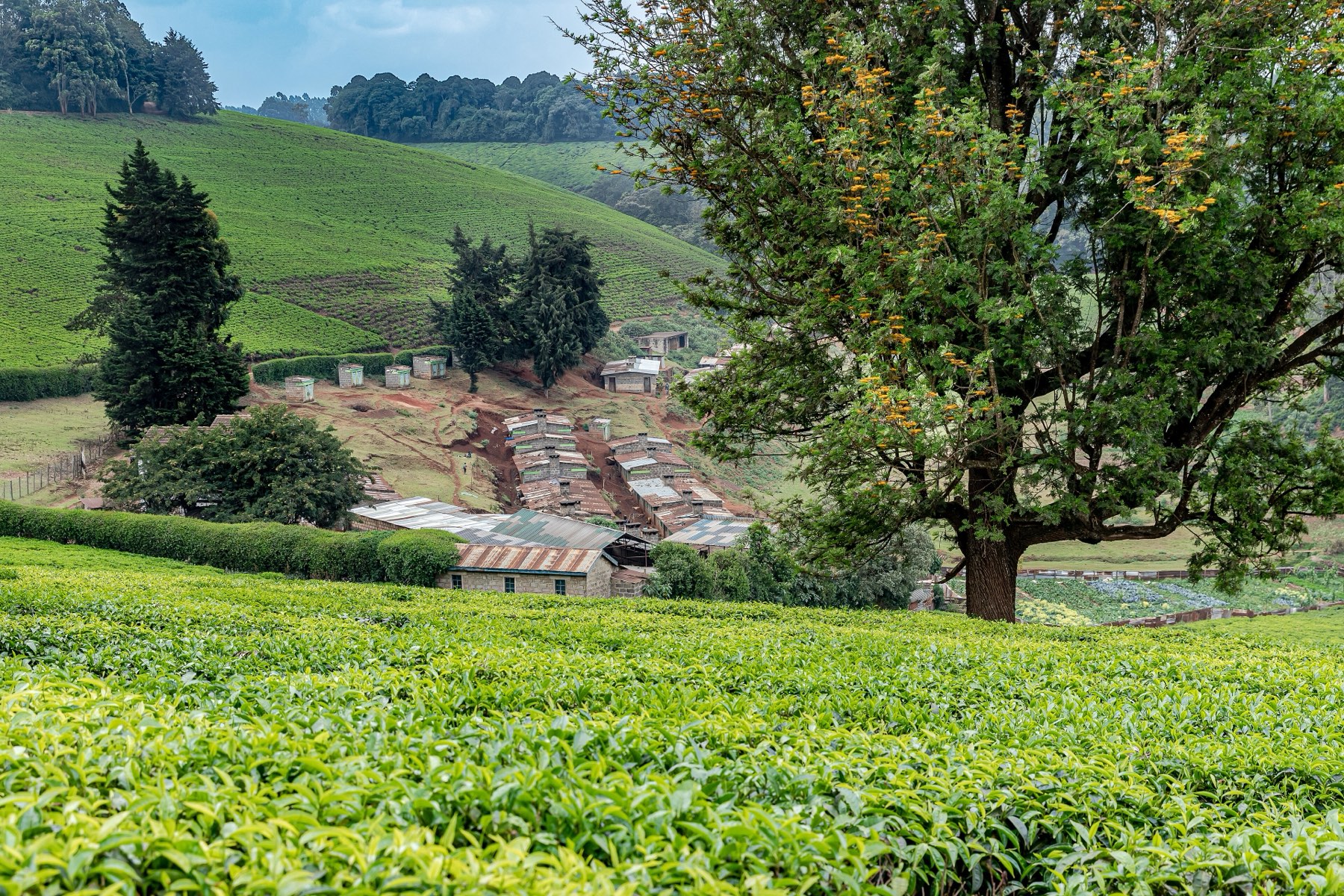
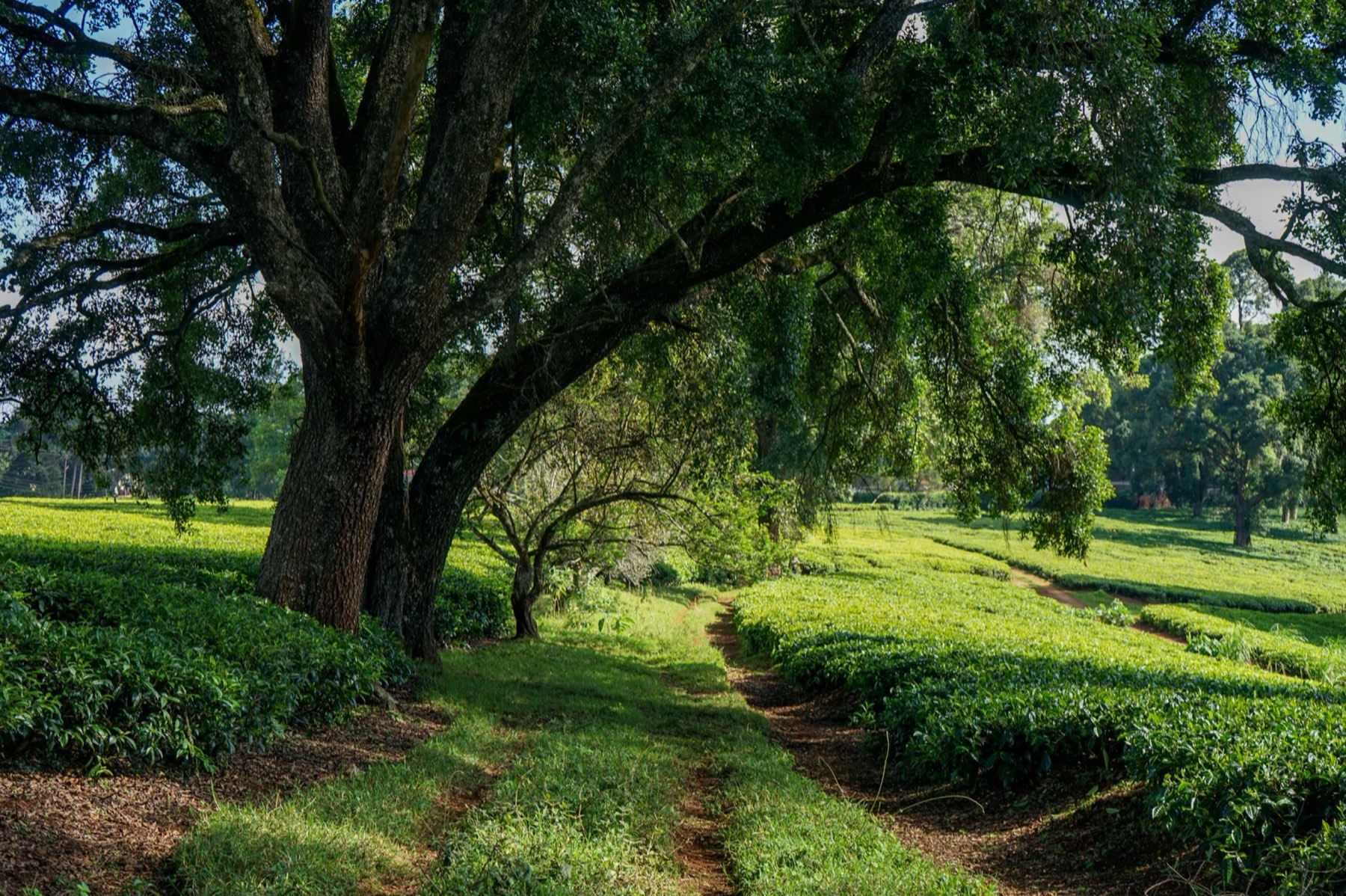
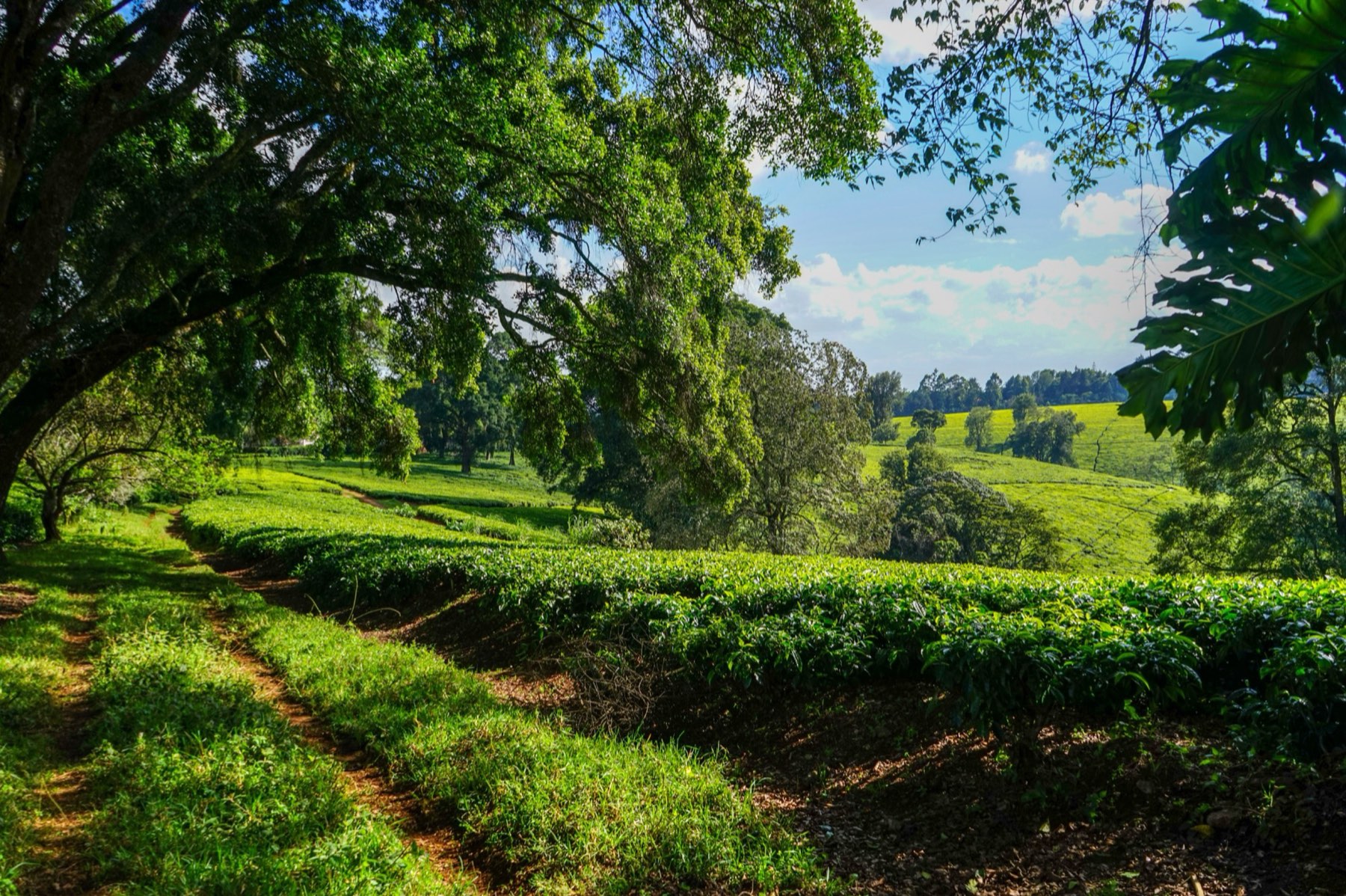
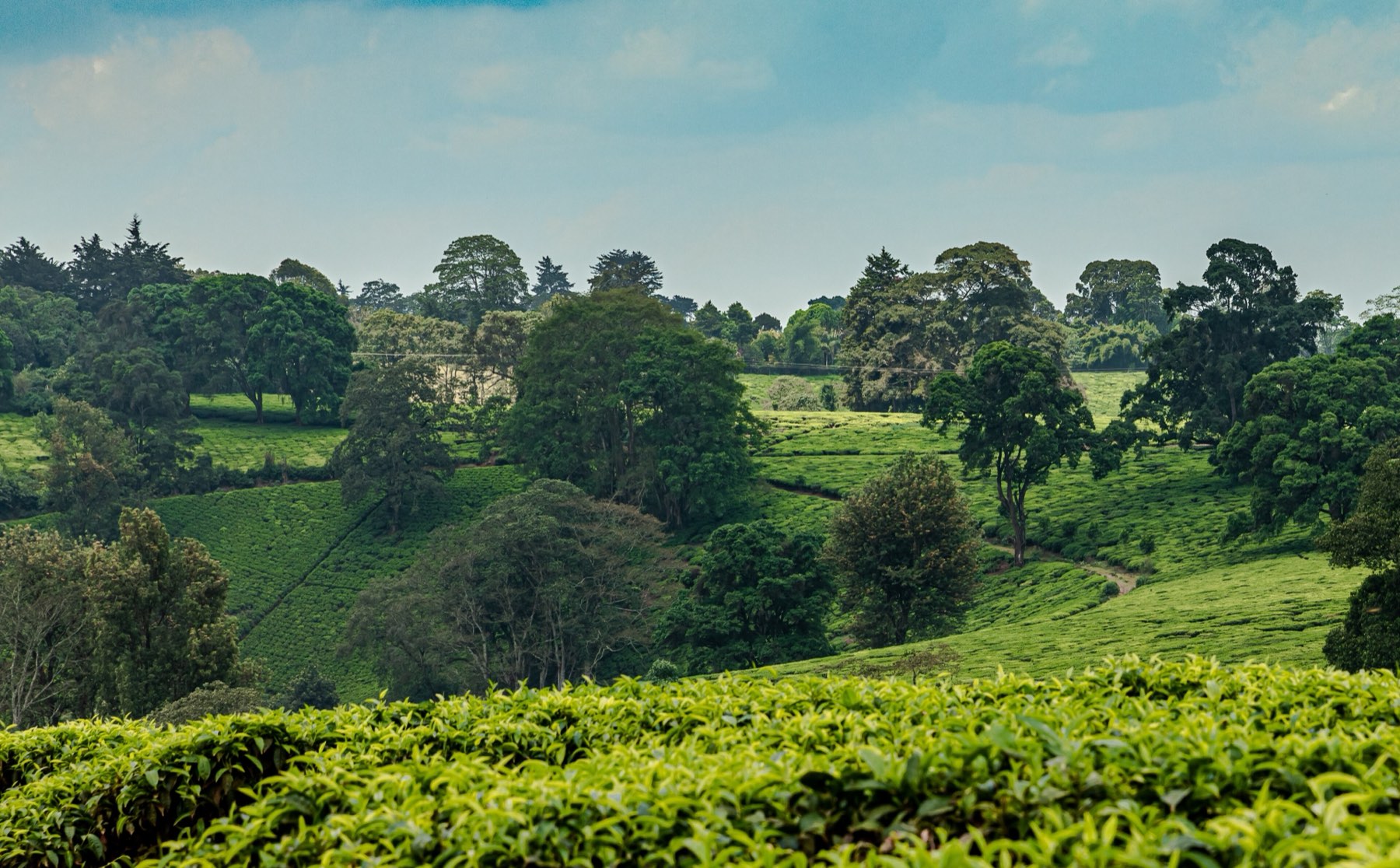
The tea fields are the reason most people come to Tigoni. They cover the hills around Limuru in neat, flat-topped rows, broken up by tall trees, farm tracks and small settlements. Here is a short history of tea in the area, how it is grown today, and how to see it properly.
How tea came to Tigoni
Tea arrived in Kenya in the early 1900s, and the Limuru highlands were among the first places it was planted. The best-known early farm is Kiambethu, bought by A.B. McDonell in 1910. The McDonell family say he was one of the first people to grow, process and sell tea commercially in Kenya, and the farm is still run by his descendants.
From those early plots, tea spread across Kiambu and later to much larger estates in Kericho, Nandi and the slopes of Mount Kenya. Kenya is now one of the world's largest tea exporters, but the Limuru area keeps a mix of older estates and small family farms.
Why tea grows well here
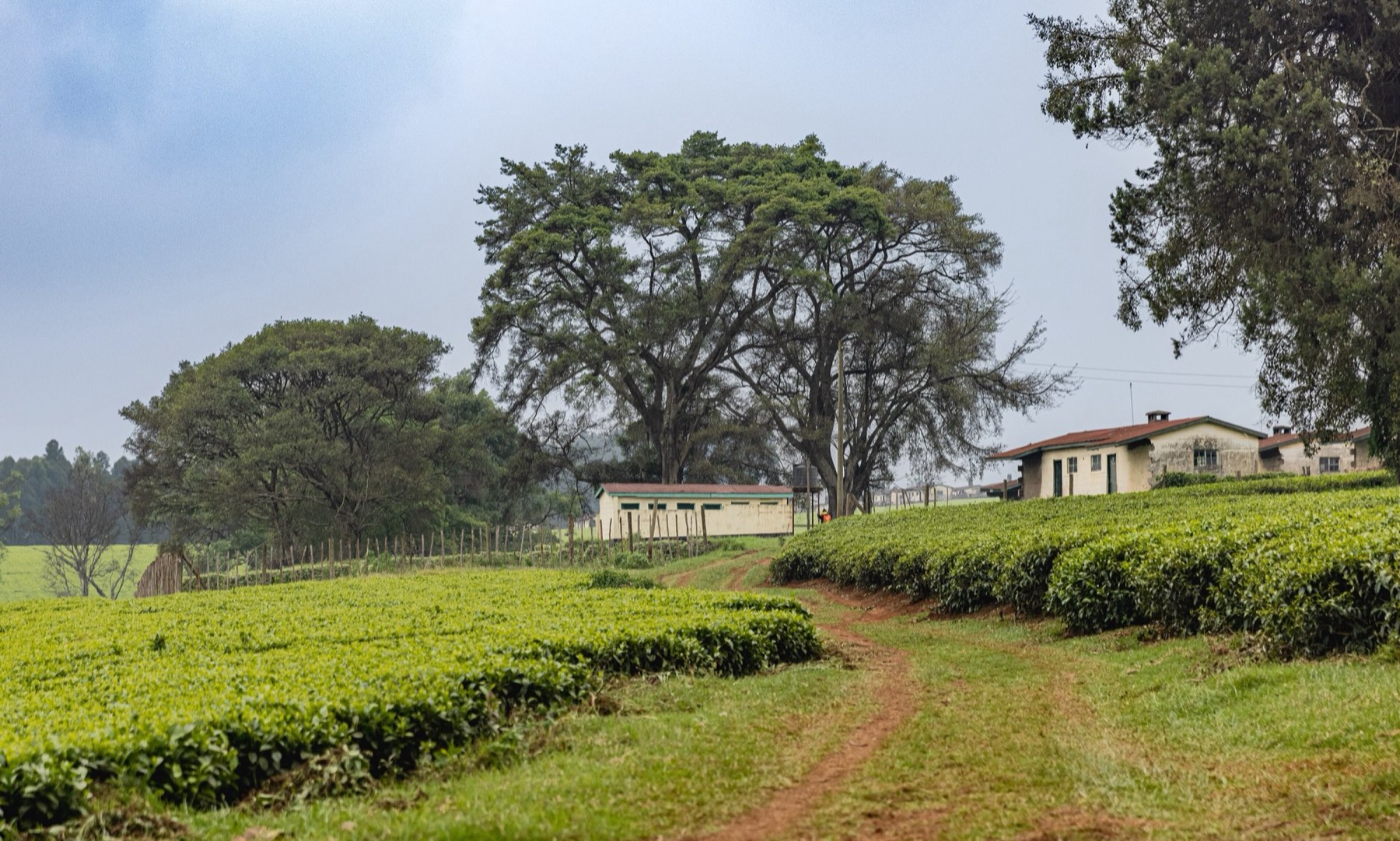
Tea likes altitude, acidic soil and steady rain. Tigoni sits above 2,000 metres on red volcanic soil, with two rainy seasons a year and cool nights. That combination means the bushes grow slowly and steadily, and can be picked for most of the year.
How tea is grown and picked
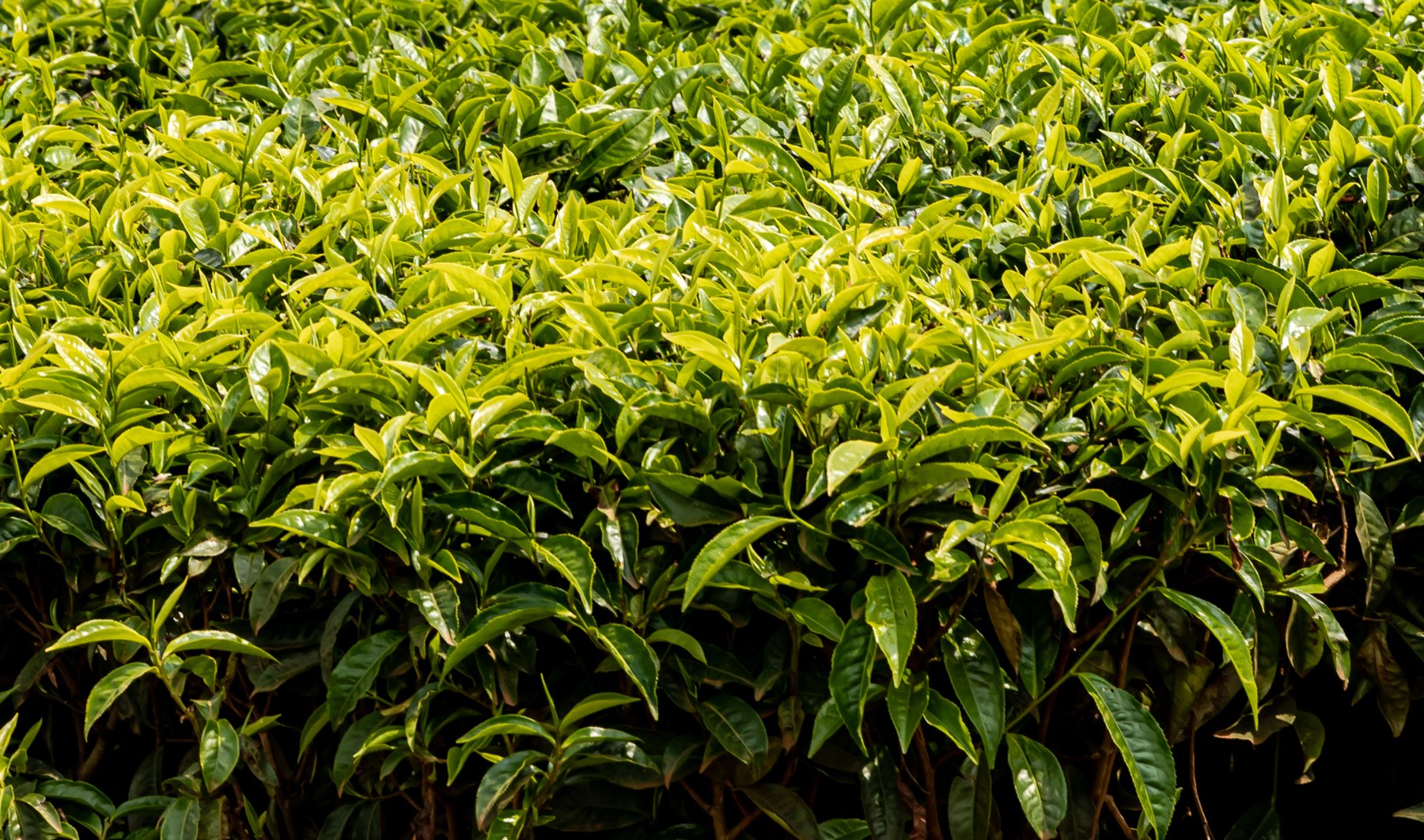
Tea bushes are pruned to waist height and kept flat on top, which is why the fields look like a green carpet from a distance. Every week or two, pickers go through the rows taking the newest growth: two leaves and a bud. That is the part that makes good tea.
The picked leaf is carried to a collection point, weighed and recorded, then trucked to a factory the same day. Most Kenyan tea is processed into black tea using the CTC (crush, tear, curl) method, which produces the strong, quick-brewing tea used for chai.
Ways to see the tea country
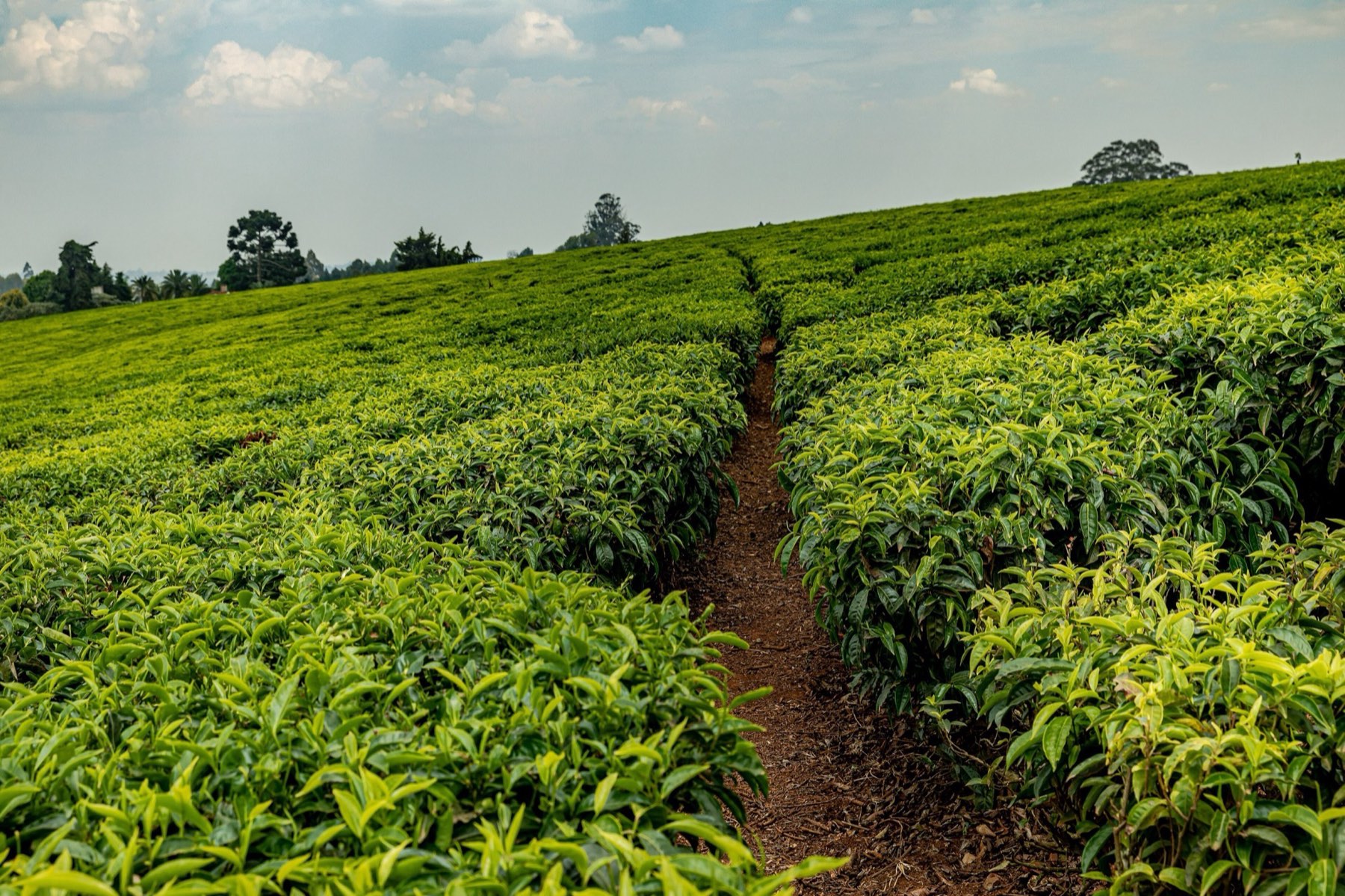
You can see tea from the road almost anywhere around Tigoni, but you only understand it on foot or by bike. Some options:
- A guided tea farm walk, which takes you along the rows and explains what you are seeing (KSh 4,500 per person with us).
- A pre-booked visit to Kiambethu Tea Farm, with a history talk and lunch.
- An e-bike ride on the farm roads, which covers more ground in two hours (KSh 3,500 per person).
- A hike that mixes tea fields with forest paths and quieter farm tracks.
Visiting respectfully
Tea farms are working land and private property. Stay on paths and tracks, do not pick leaves, and ask before photographing pickers. If you want to walk through the fields rather than view them from the road, go with a guide or book a farm visit.