Journal · Published
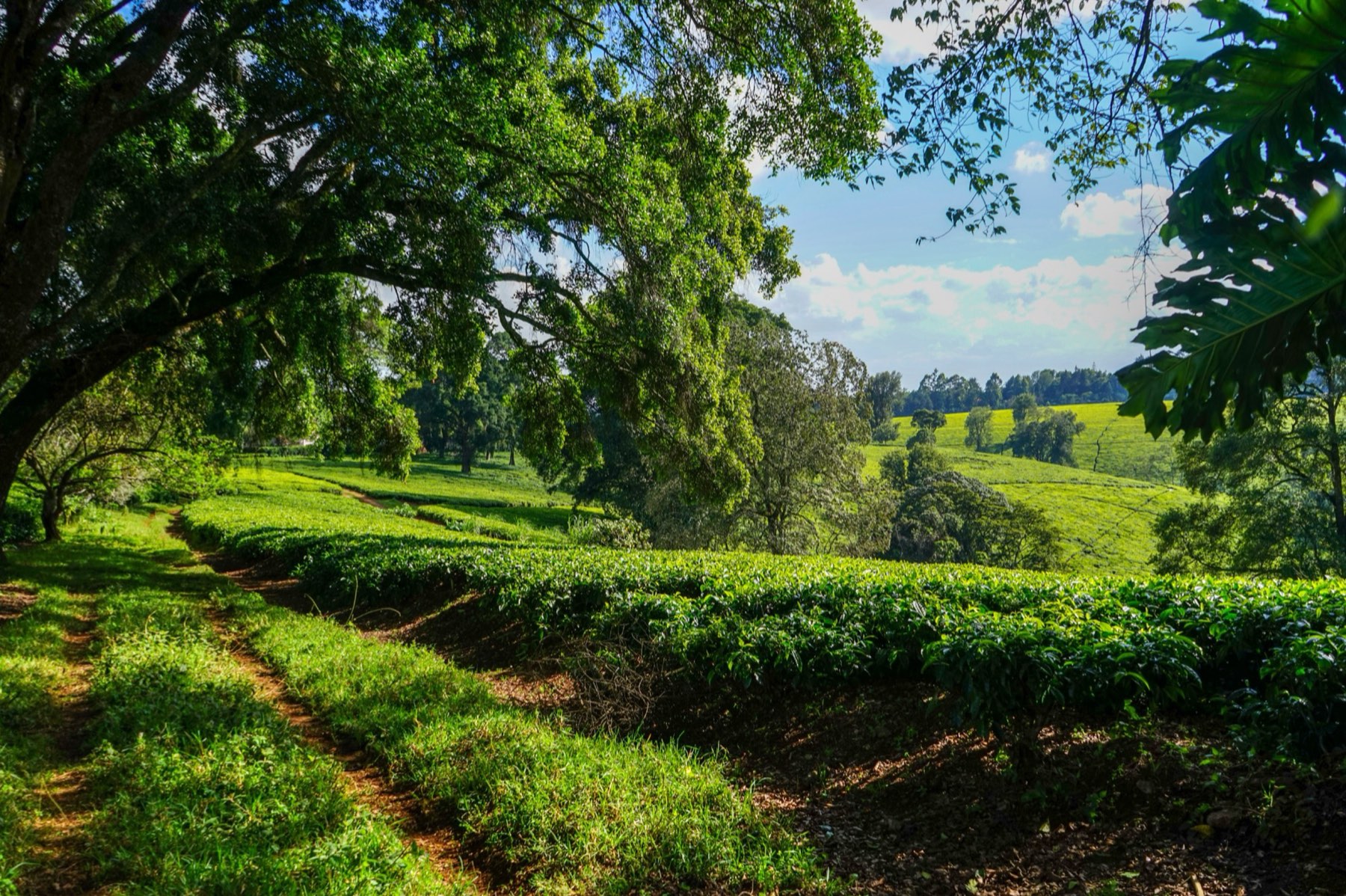
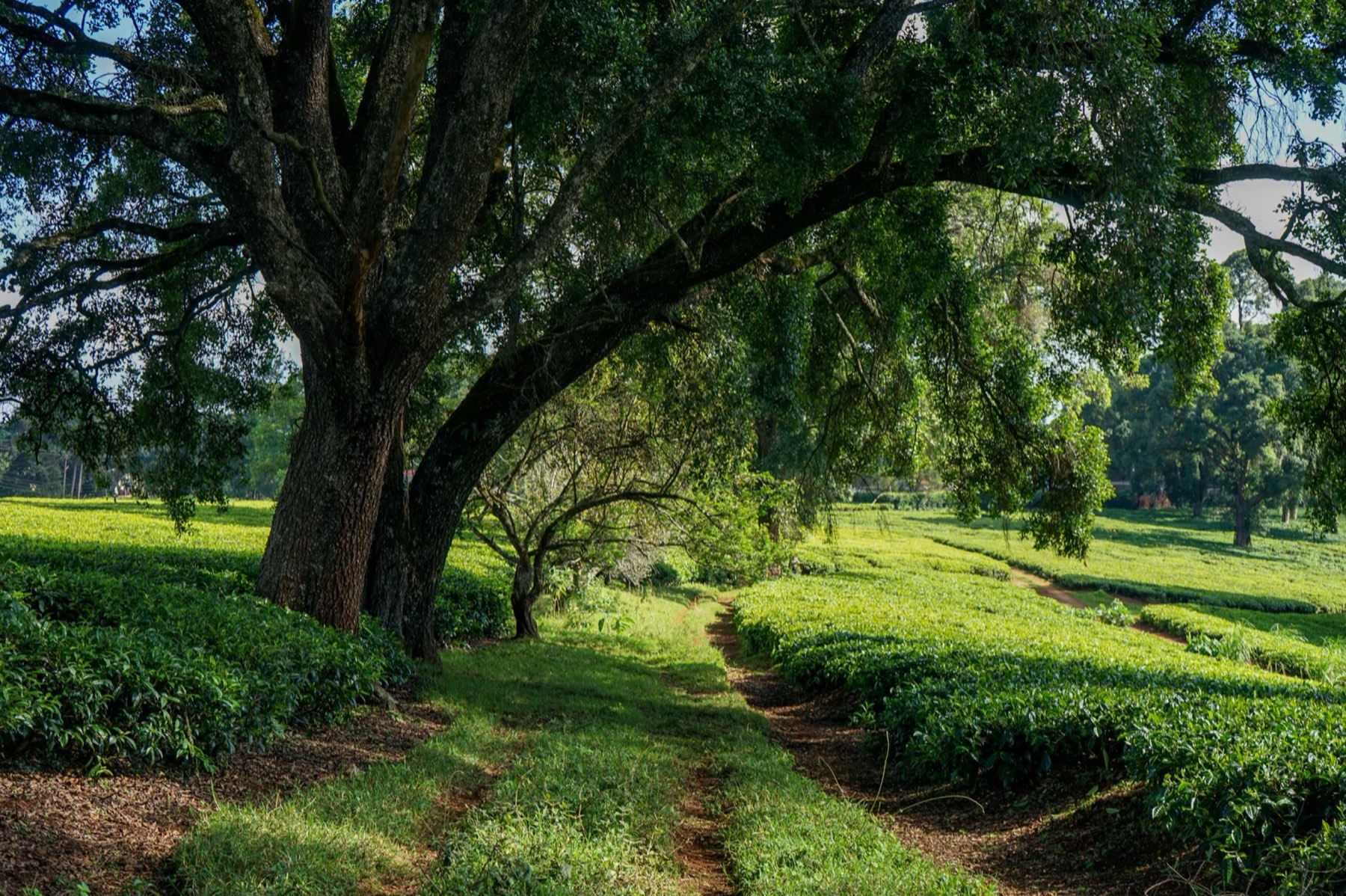
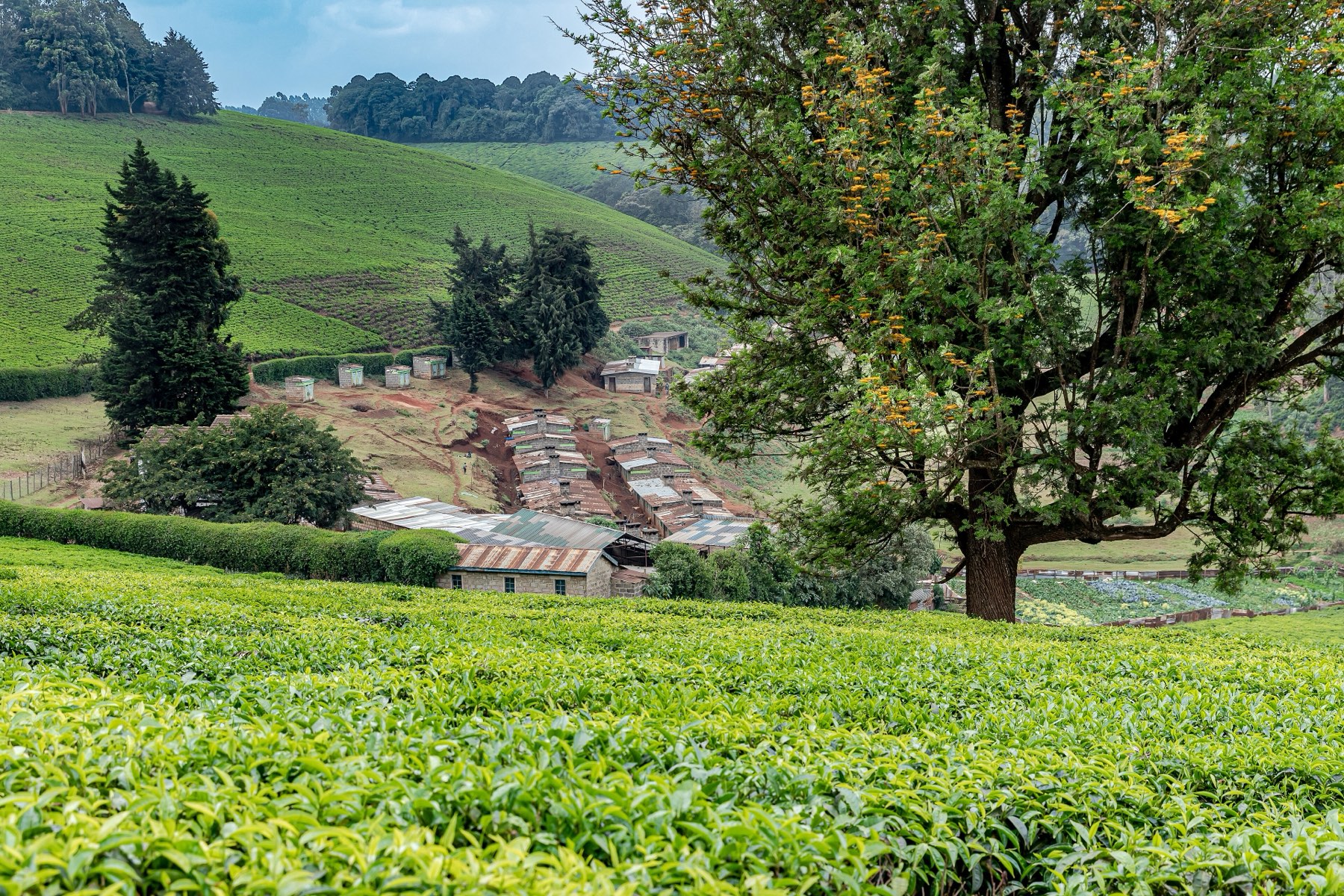
Most Kenyan tea is black tea made by the CTC method, which produces the strong, quick-brewing granules used for chai and in tea bags around the world. Here is what happens between the green leaf you see in Tigoni's fields and the tea in your cup.
1. Plucking
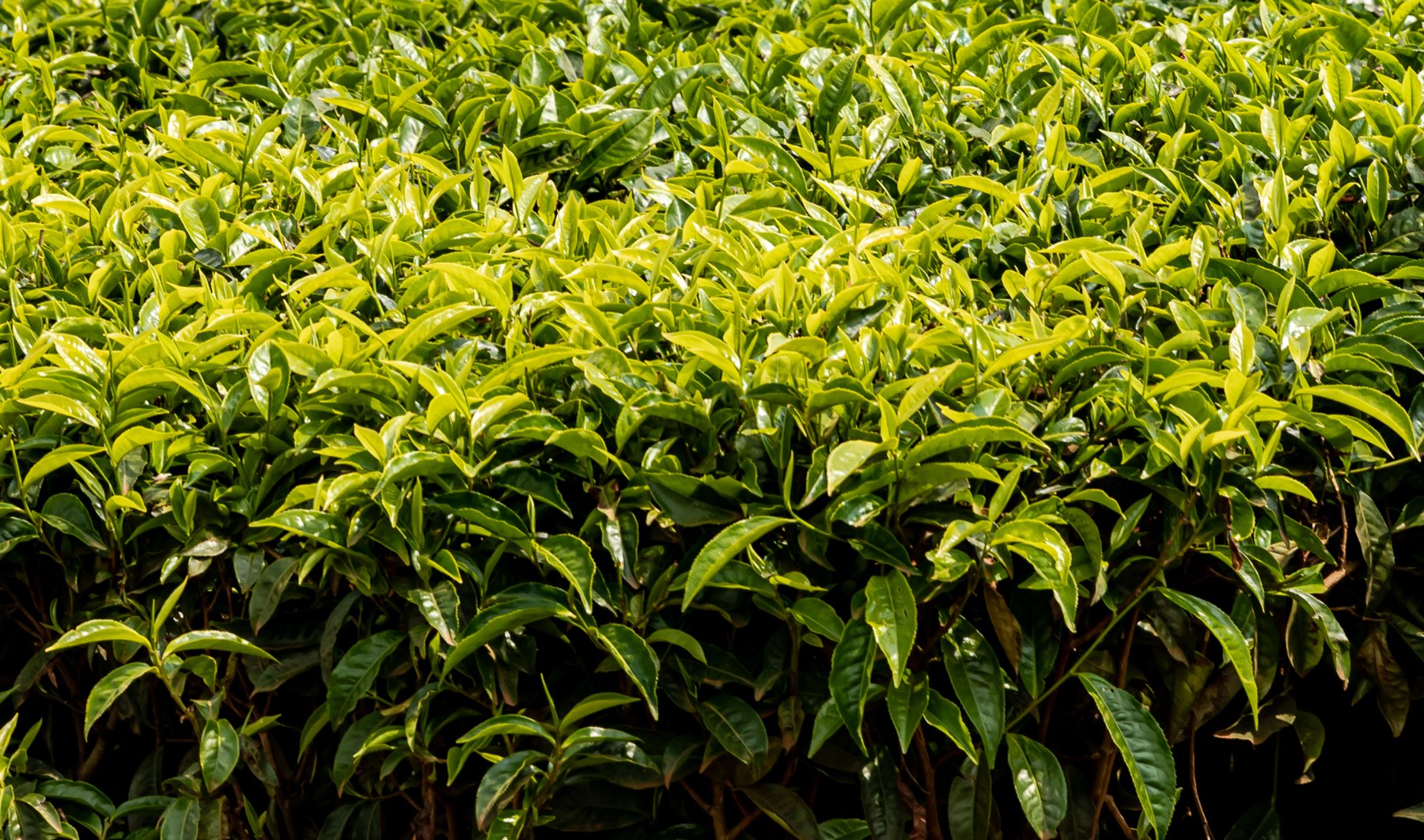
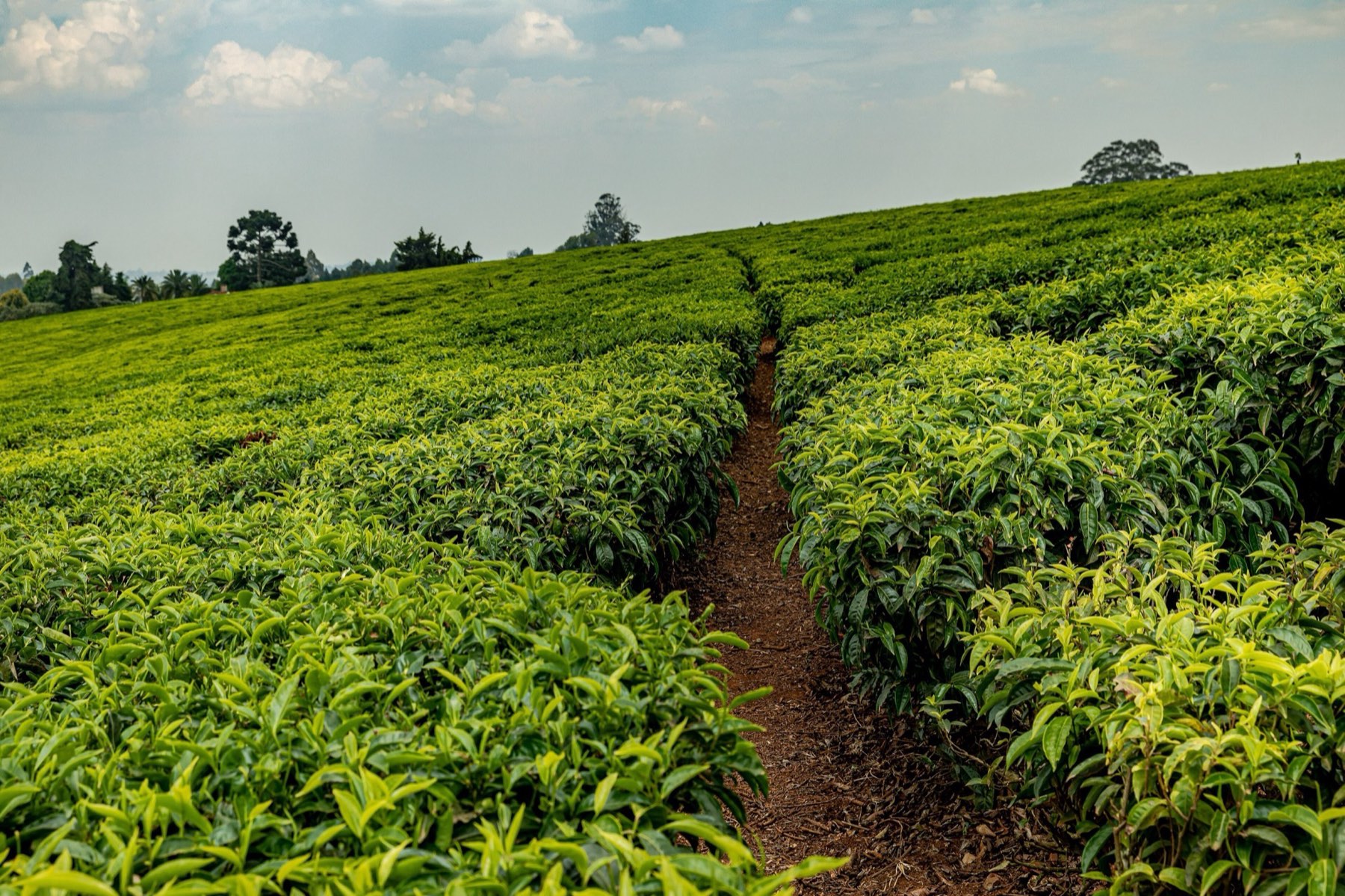
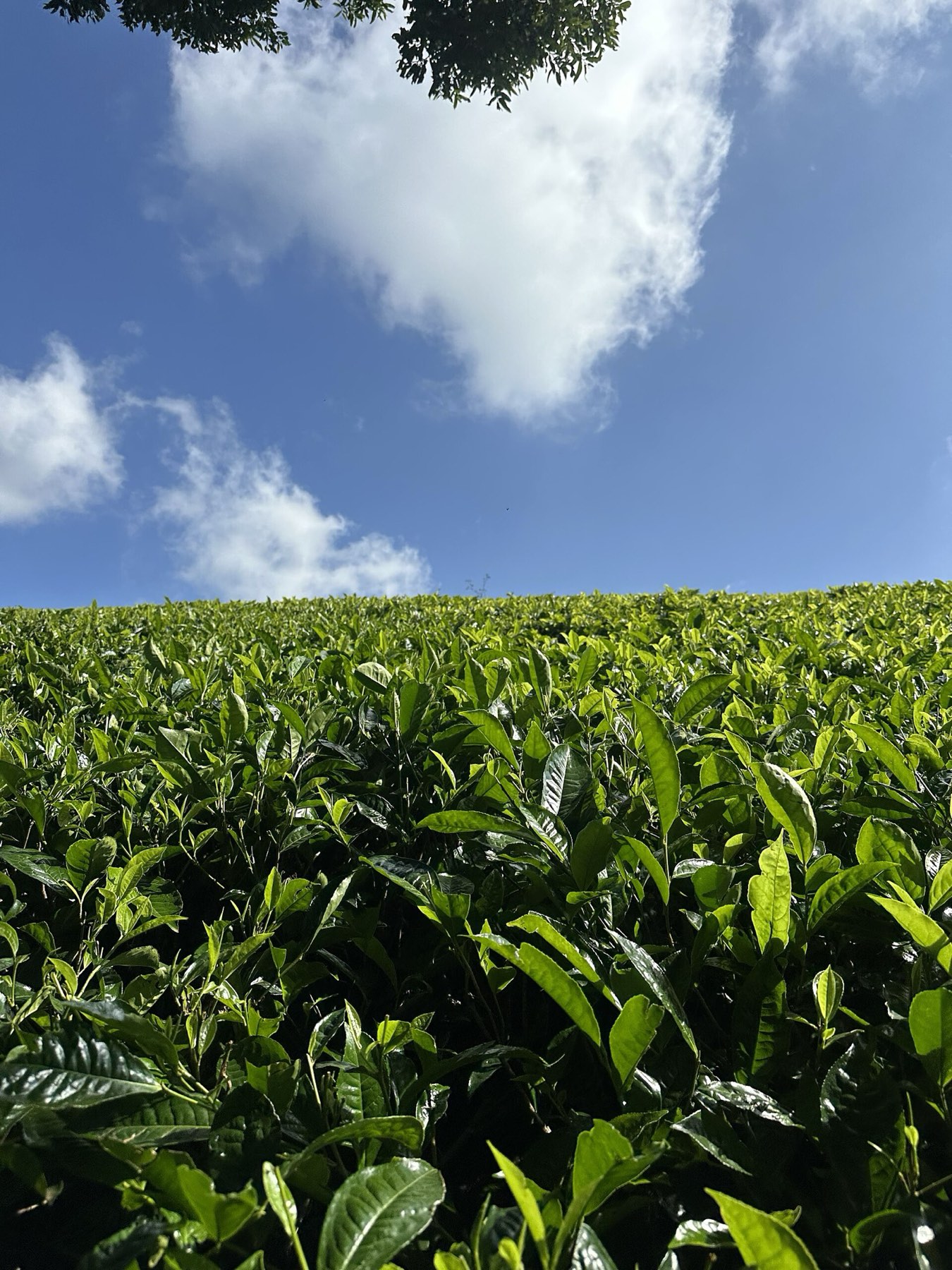
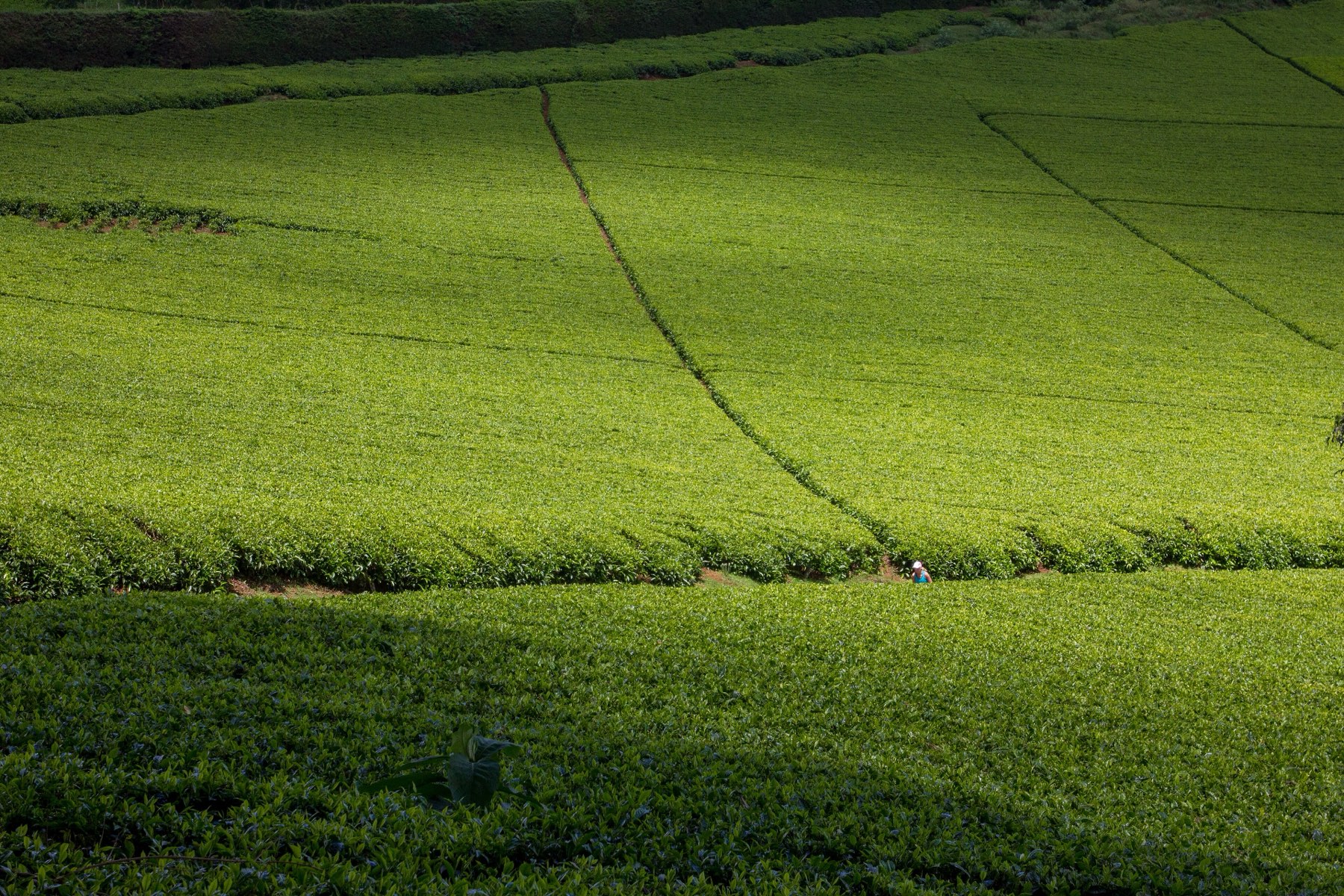
Pickers move through the fields taking the newest growth from the top of each bush: two leaves and a bud. This tender shoot makes the best tea. Bushes are picked in rounds every week or two, so the flat 'plucking table' on top of each bush keeps producing new growth through most of the year.
2. Weighing and transport
The green leaf is carried to collection points where it is weighed and recorded, which is how pickers and smallholder farmers are paid. Lorries then take it to the factory the same day, because fresh leaf starts to deteriorate quickly once picked.
3. Withering
At the factory, the leaf is spread in troughs and air is blown through it for several hours. This removes some of the moisture and makes the leaf soft and pliable, ready for processing.
4. CTC: crush, tear, curl
The withered leaf is fed through rollers with sharp teeth that crush, tear and curl it into small particles. This breaks the leaf cells open and starts the chemical changes that give black tea its colour and flavour. Kenya is the world's leading exporter of CTC black tea.
5. Oxidation (fermentation)
The broken leaf is left to oxidise in controlled conditions. Exposure to air turns it from green to coppery brown and develops the brisk, malty flavour of Kenyan tea. Timing is critical: too little and the tea is thin, too much and it goes flat.
6. Drying and grading
Hot air dryers stop the oxidation and reduce the moisture so the tea keeps. The dried tea is then sorted by particle size into grades. Larger particles brew more slowly; the finest grades, called dust and fannings, are used in tea bags.
7. Auction and export
Most Kenyan tea is sold at the weekly auction in Mombasa, one of the largest tea auctions in the world, which also trades tea from neighbouring countries. Buyers blend it with teas from elsewhere or sell it as Kenyan tea. Pakistan, Egypt and the UK are among the biggest buyers.
Frequently asked questions
What type of tea does Kenya produce?
Mostly black tea made by the CTC (crush, tear, curl) method. Smaller amounts of orthodox, green and purple tea are also made.
What does 'two leaves and a bud' mean?
It is the standard for good tea plucking: only the newest bud and the two leaves below it are picked from each shoot.