Journal · Published
Kiambethu is the best-known tea farm in Tigoni and one of the oldest in Kenya. It is a family farm, not a museum, and visits are by booking only. Here is what to expect and how to fit it into a day. (Kiambethu is independent of Tigoni Escapes.)
A short history
A.B. McDonell bought the land in Tigoni in 1910. The family describe him as one of the first people to grow, process and sell tea commercially in Kenya. The original farmhouse was replaced in the 1930s, and the farm is still run by his descendants, now into the fifth generation.
What a visit includes
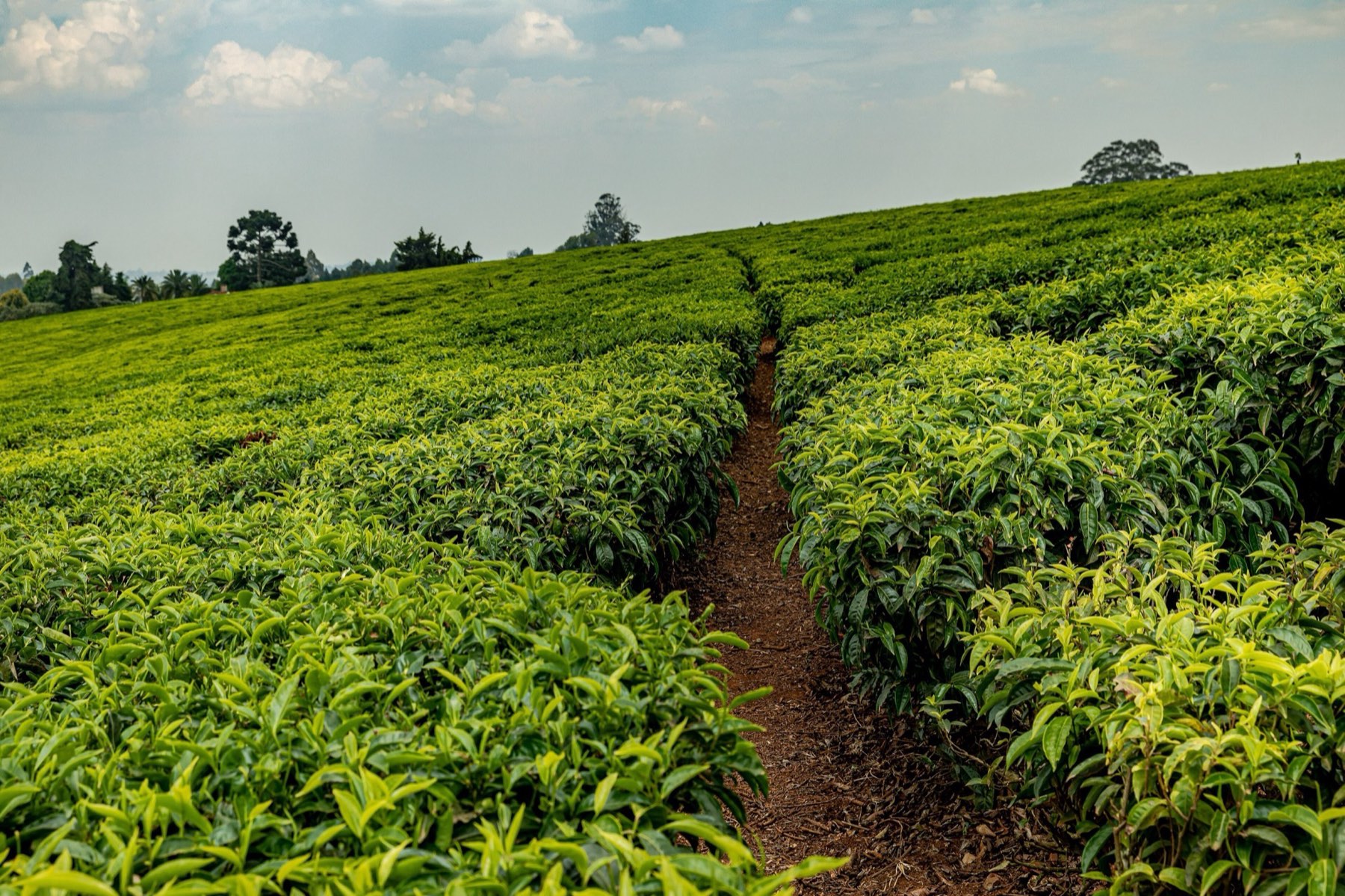
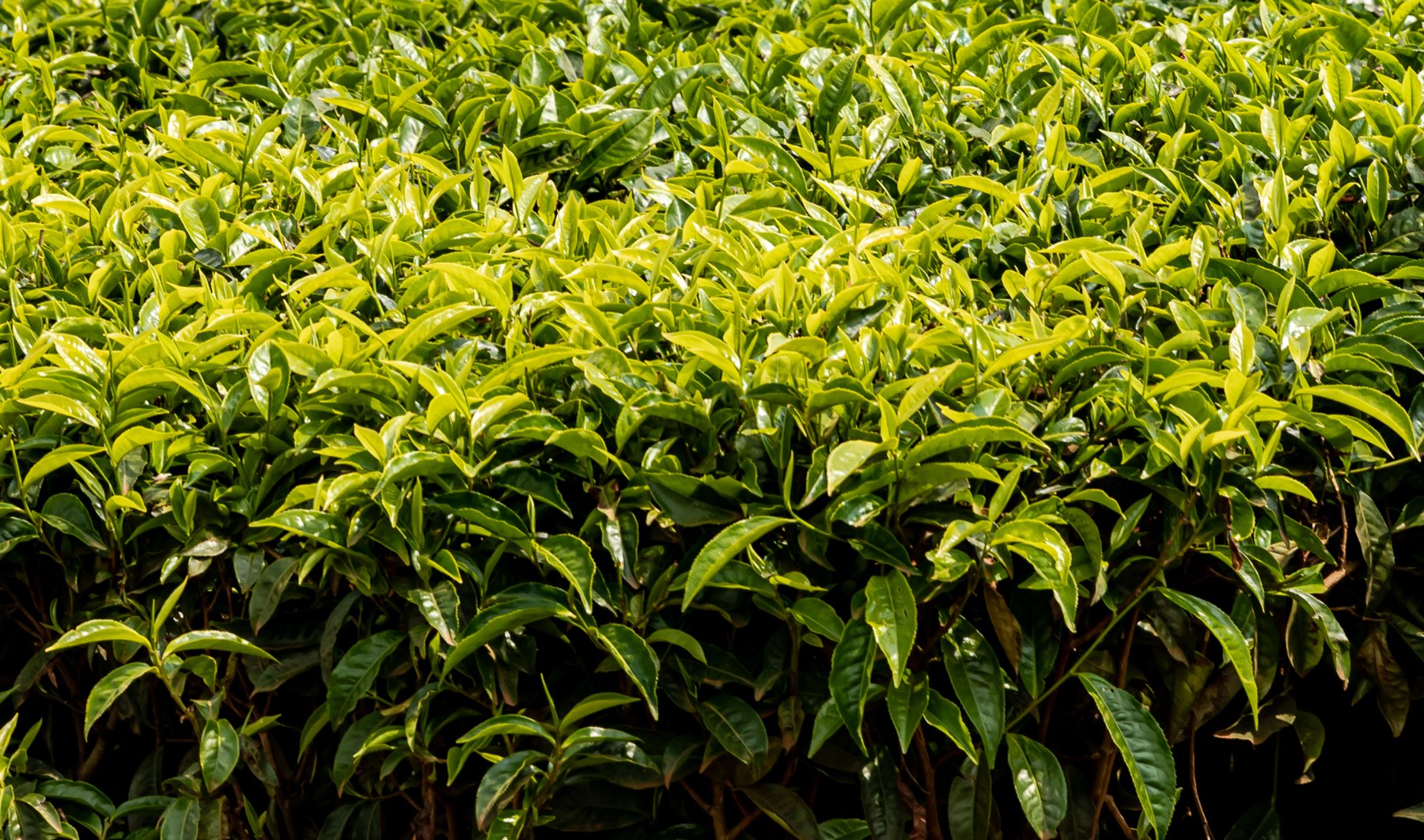
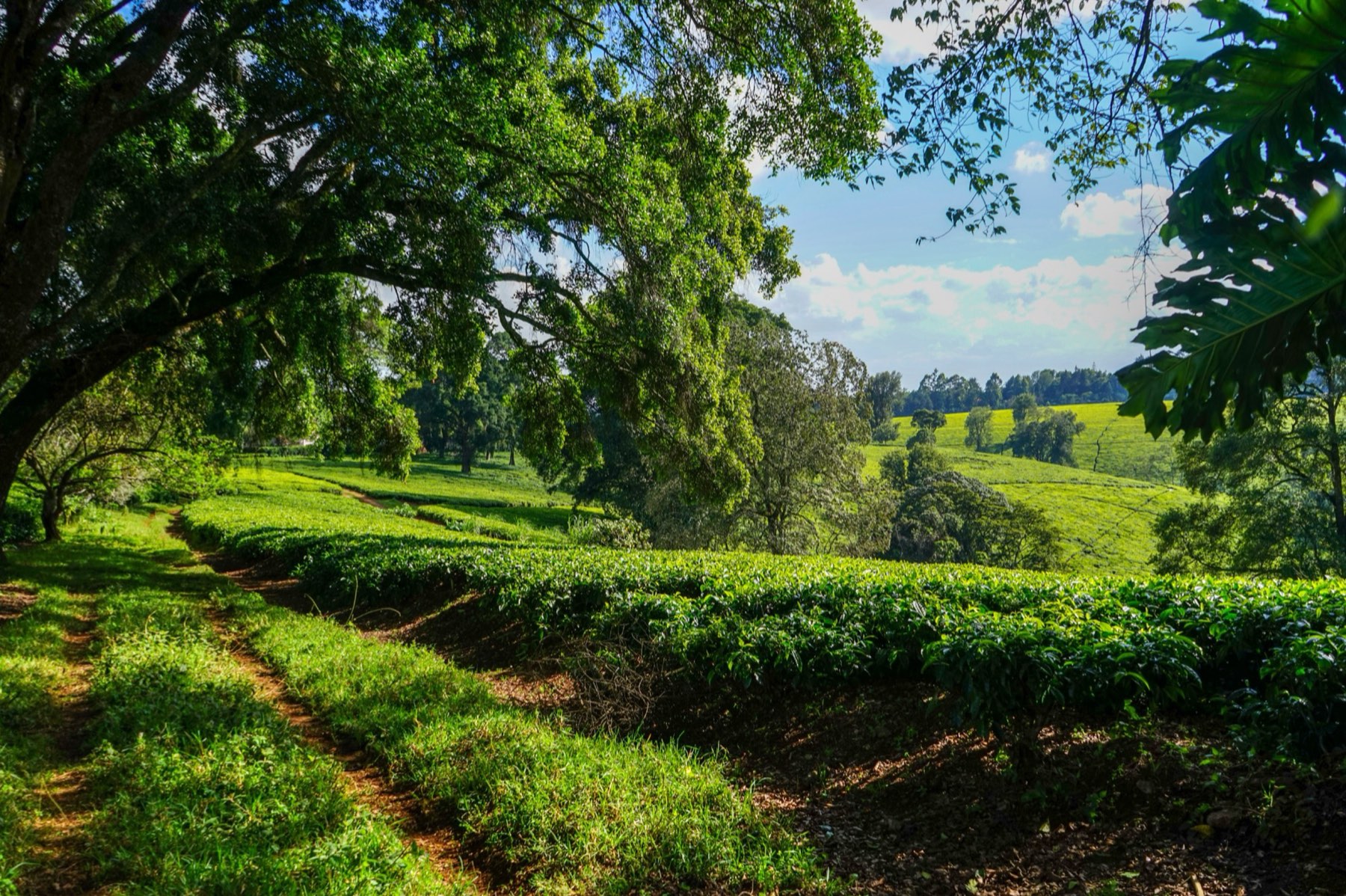
Visits typically begin with a talk on the history of tea in Kenya and how it is grown and processed. You then walk through the tea and into a patch of indigenous forest that was kept when most of the land was cleared for tea. Tour operators say colobus monkeys are often seen in the forest and gardens.
The visit ends with lunch in the garden of the farmhouse, made with produce from the farm.
The gardens
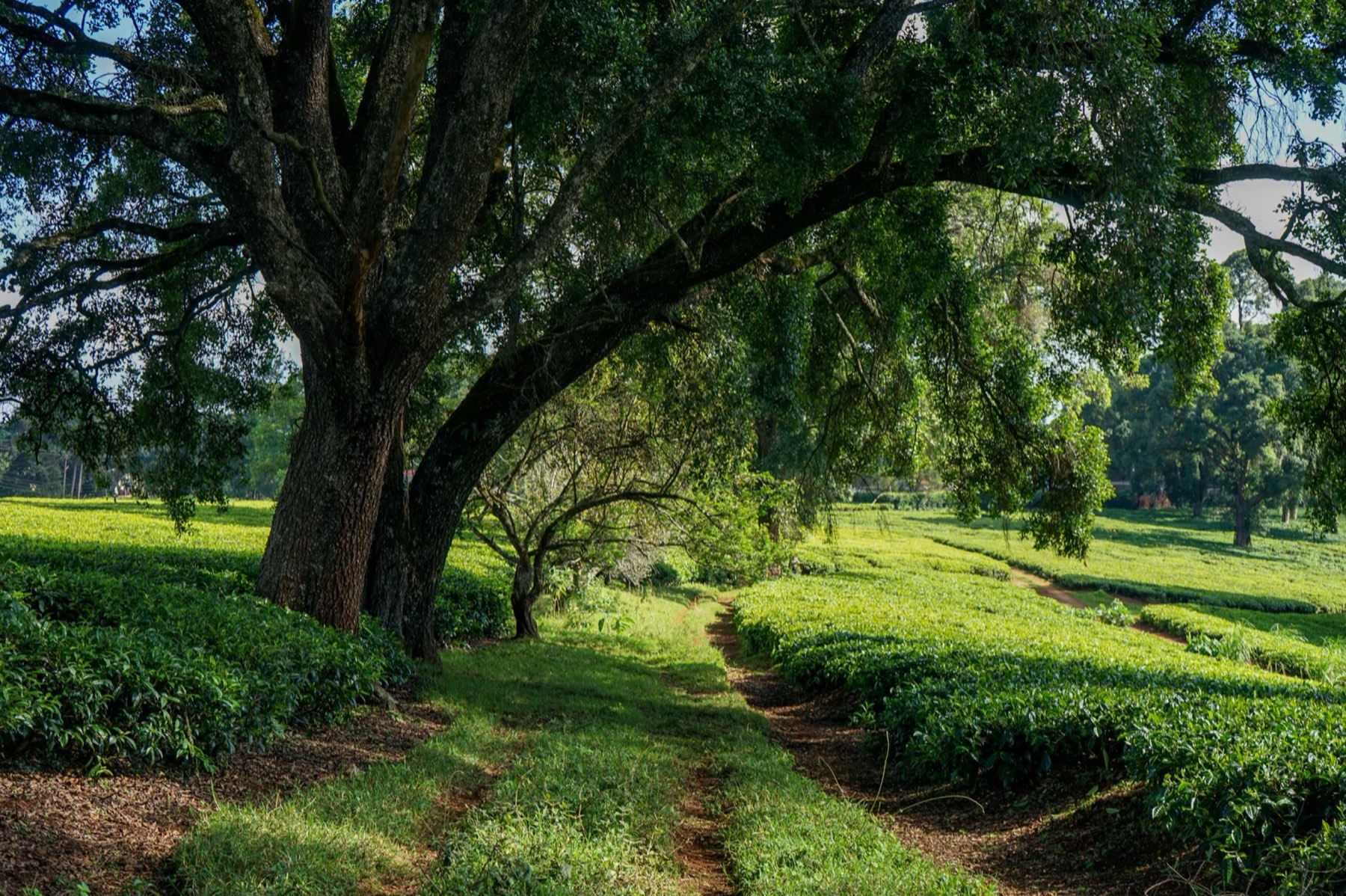
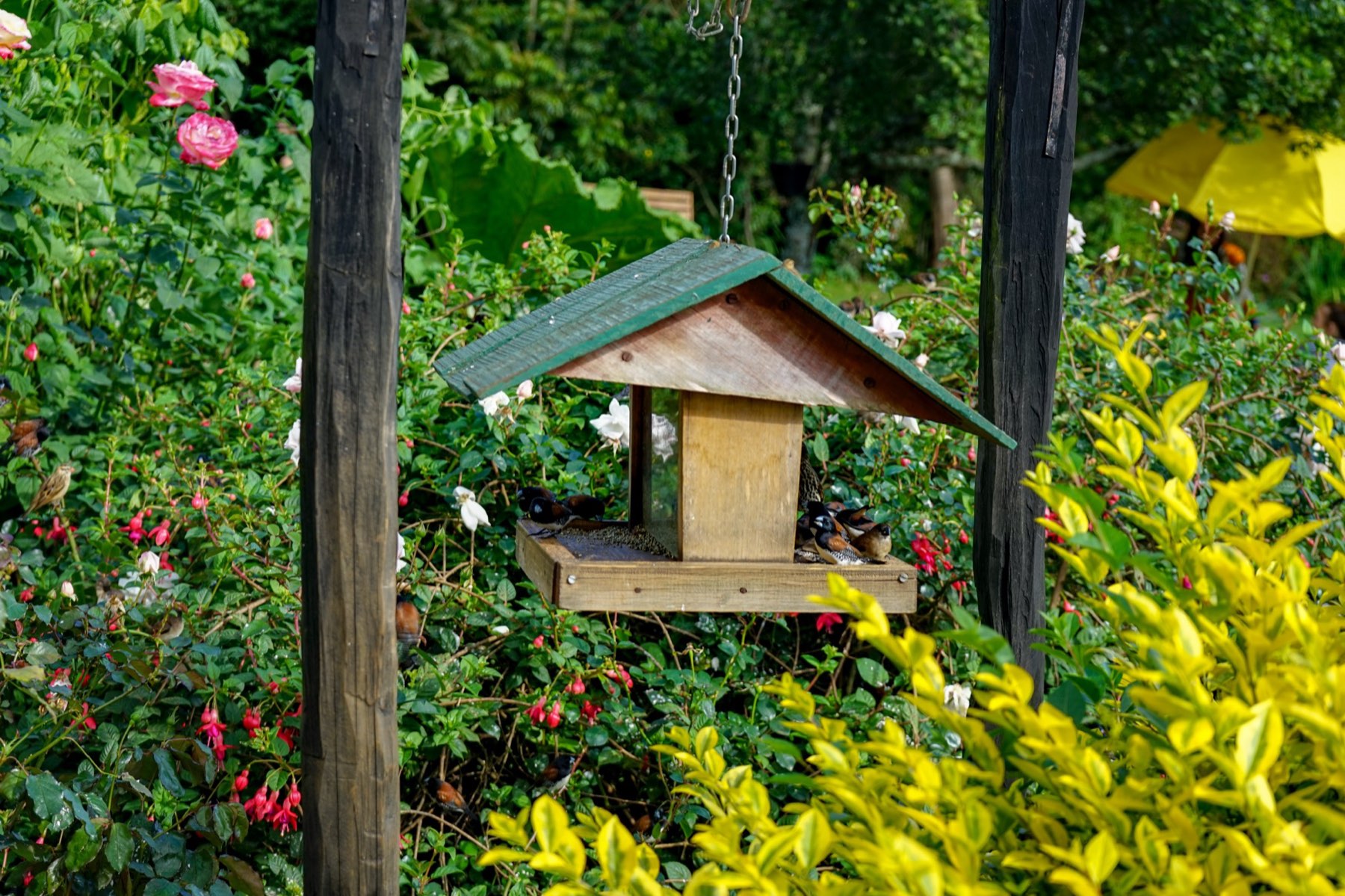
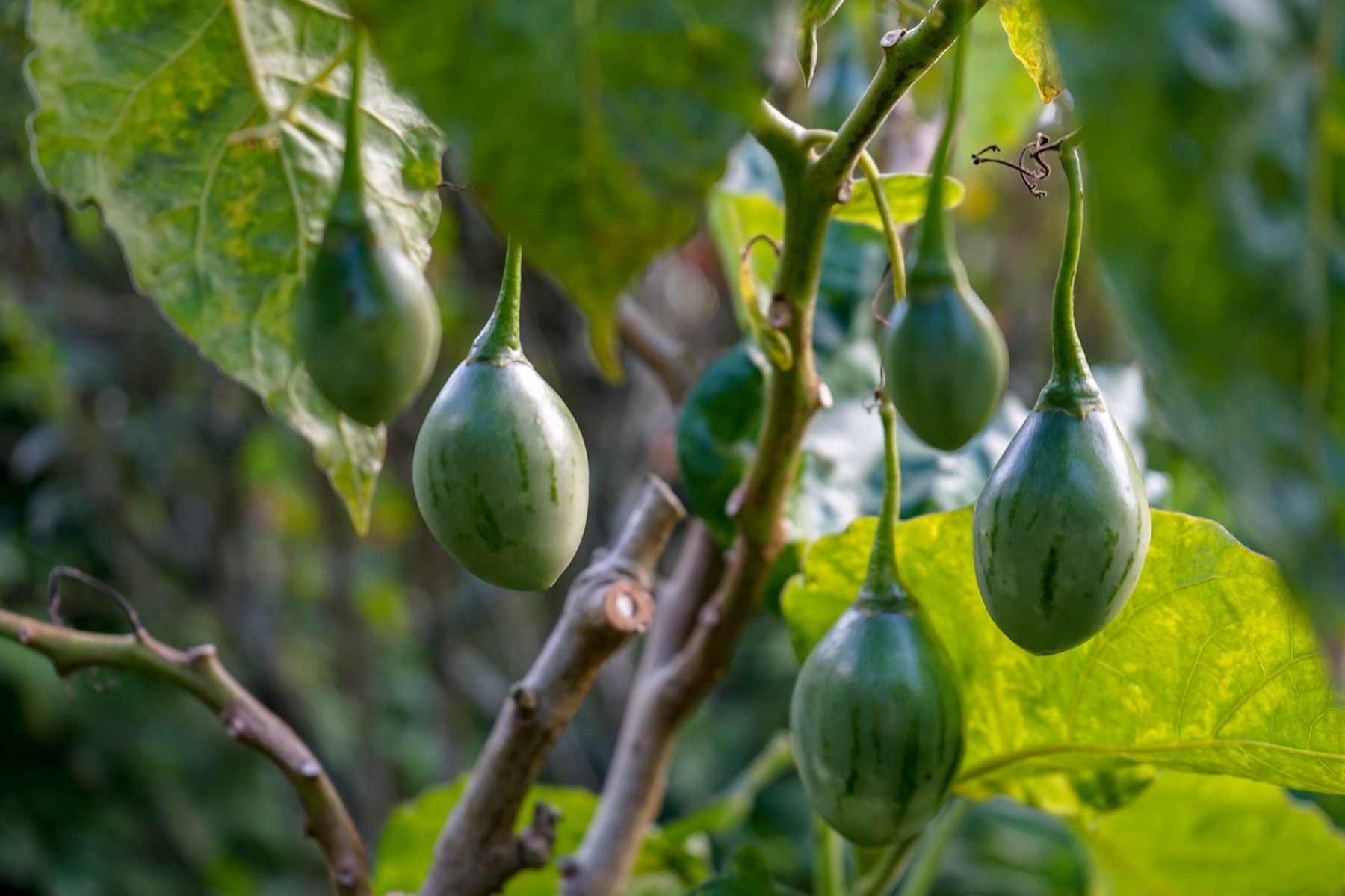
The farmhouse garden is a highlight in itself: old trees, flower beds, bird feeders and lawns looking out over the tea. Fruit such as tree tomatoes grows in the kitchen garden.
How to visit
Visits must be booked in advance; you cannot drop in. Many Nairobi tour operators include Kiambethu in day trips with transport. Prices and visiting days vary by booking route, so check what is included before you pay. The farm is reported to be closed on Mondays and some public holidays.
Combining Kiambethu with other activities
A Kiambethu visit fills most of a day, so pair it with something short. An early e-bike ride or walk works well before a late-morning arrival, and the roadside farm stalls are a good stop on the way home.