Journal · Published
Tigoni sits above 2,000 metres in the Limuru highlands, so its weather is cooler and wetter than Nairobi's. There is no bad time to visit, but the season changes what a day here feels like: clear and bright, green and muddy, or cold and misty. Here is what to expect through the year.
The short answer
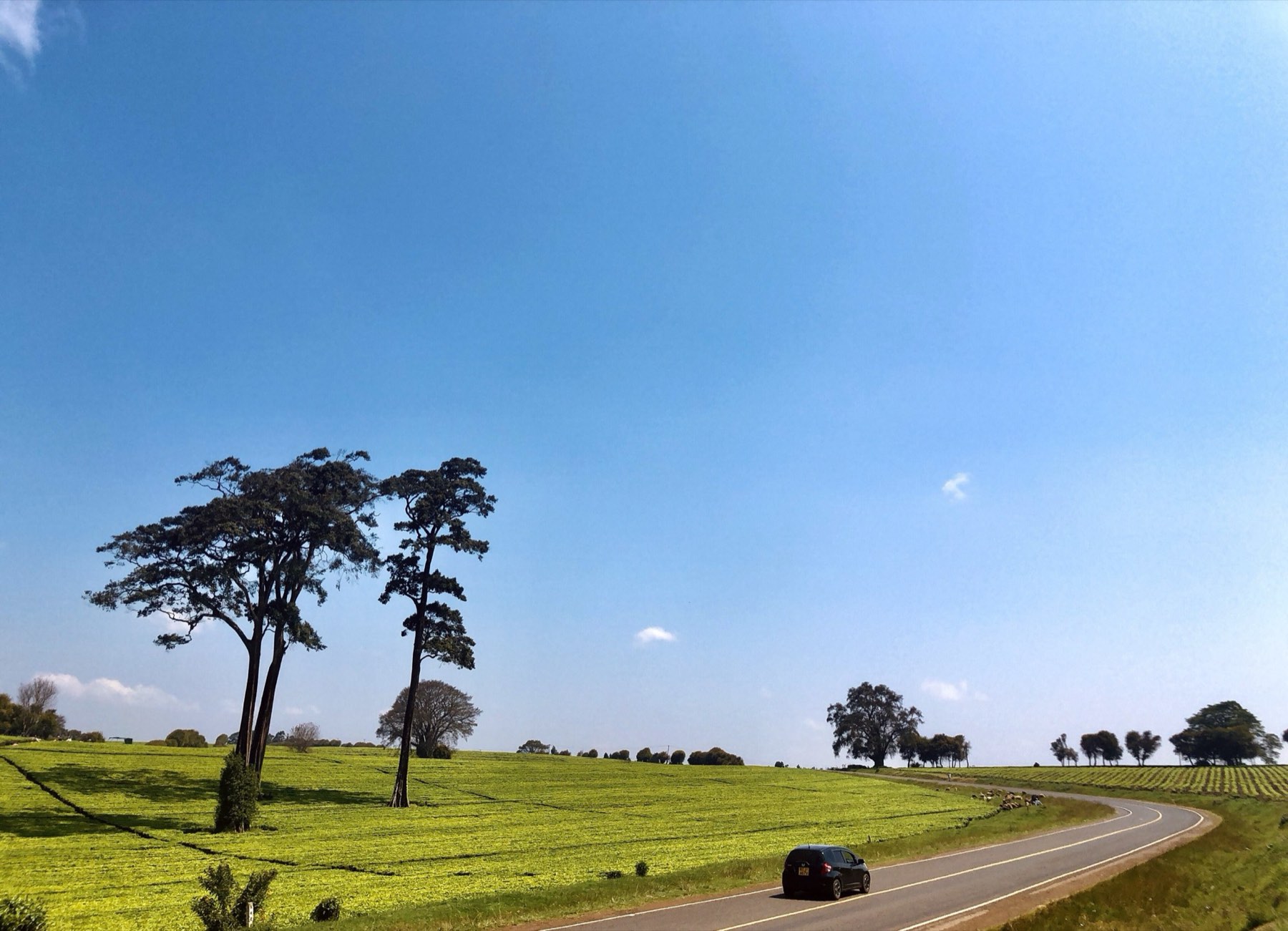
For dry tracks and clear views, come between January and early March. For the greenest tea and the most atmospheric misty mornings, come from June to August and bring a warm layer. The long rains from March to May are the trickiest time for walking and cycling, but they are also when the countryside is at its most lush.
January to March: dry and bright
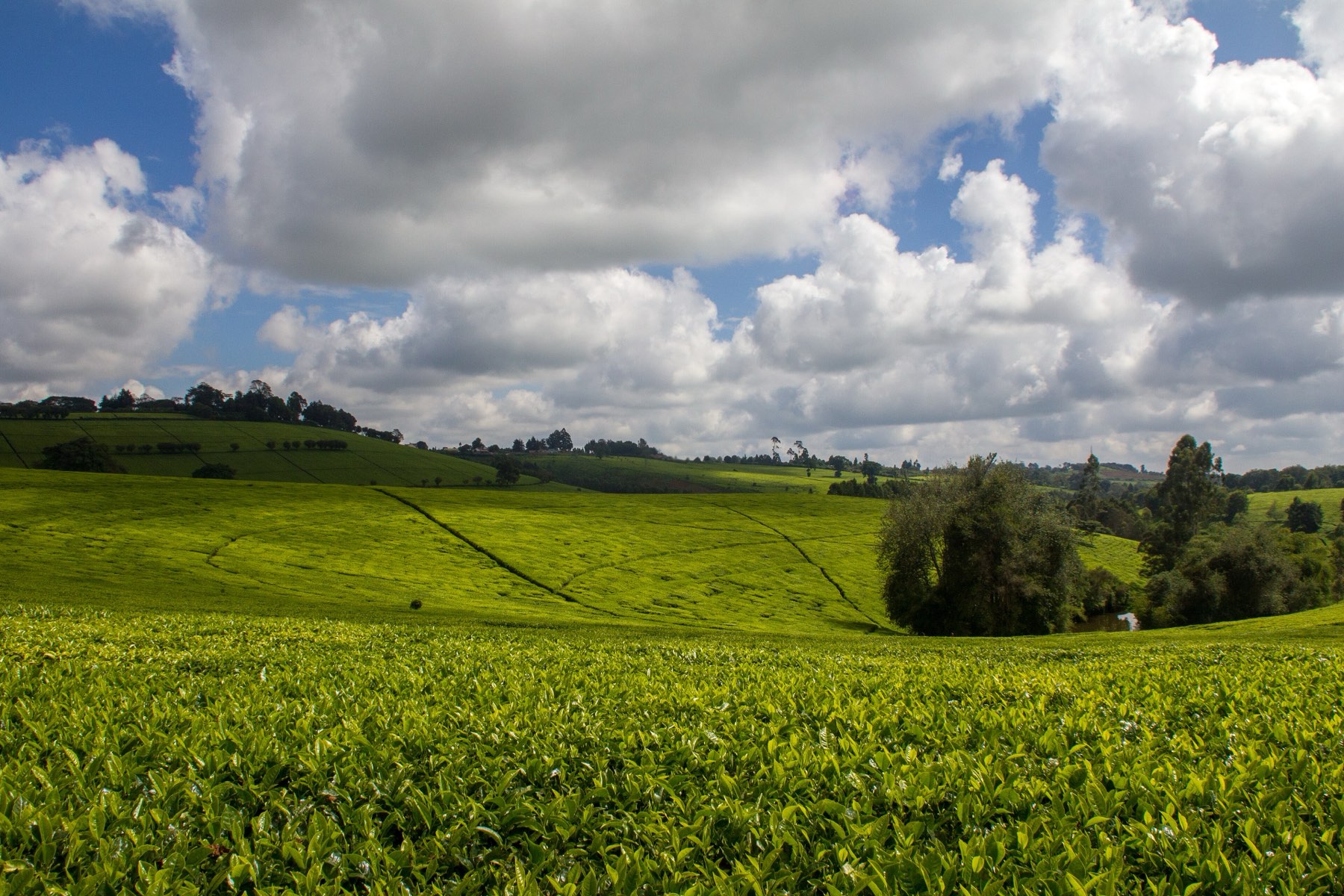
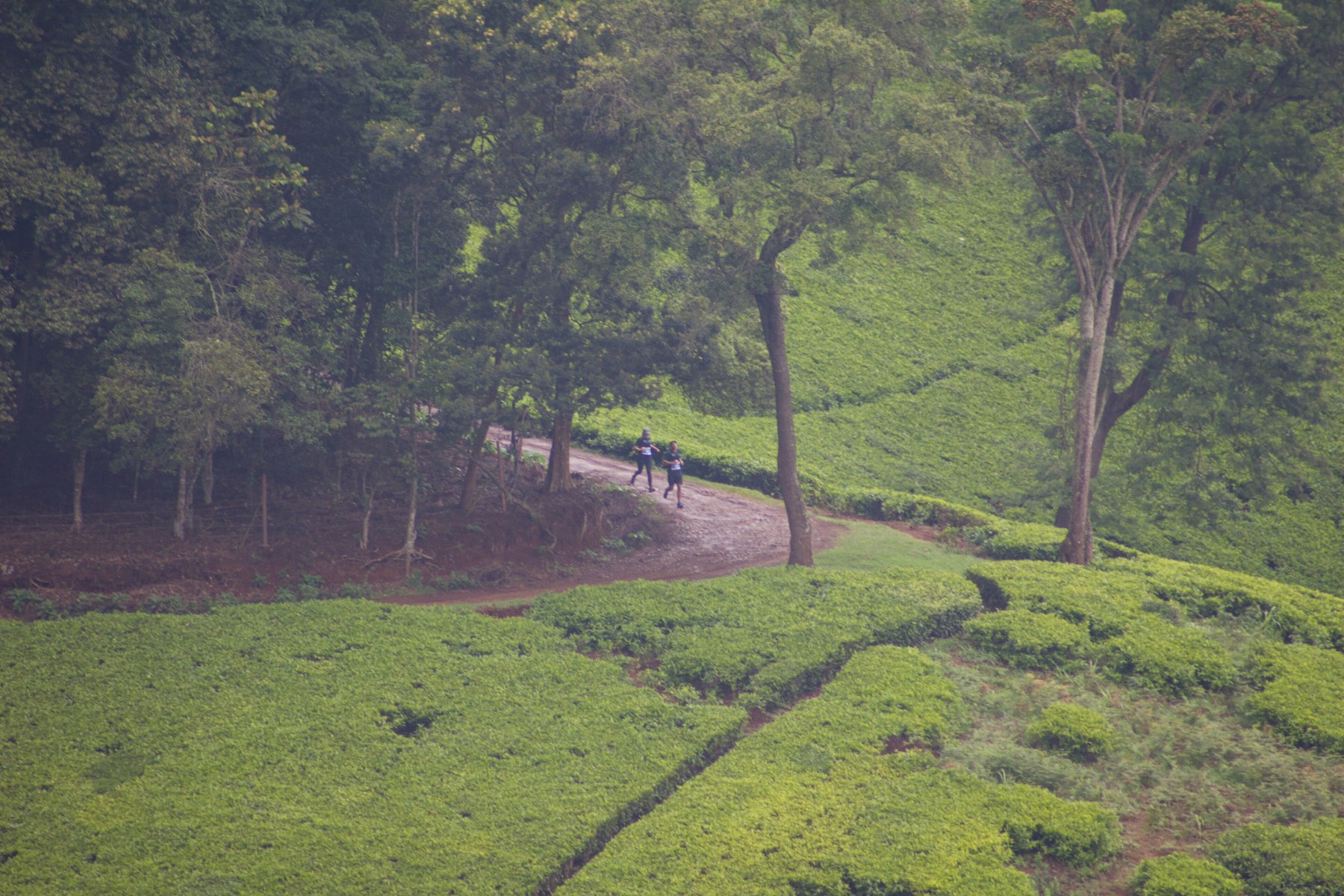
This is usually the driest stretch of the year. Days are sunny, the farm tracks are firm, and the views across the hills are at their clearest. It is the easiest time for e-bike rides and longer hikes. Mornings are cool and afternoons can be warm, so dress in layers and bring sunscreen; the sun is strong at altitude.
March to May: the long rains
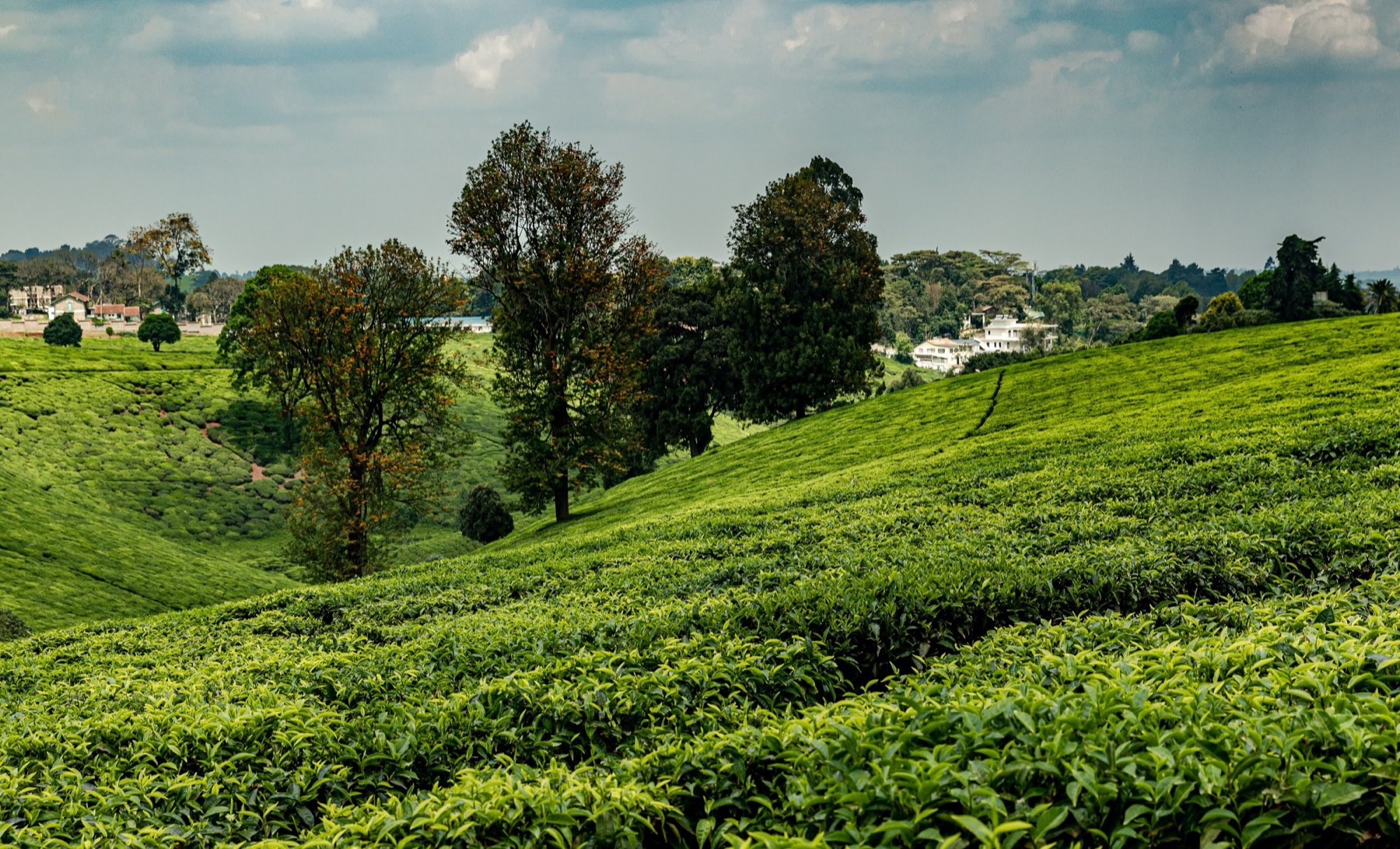
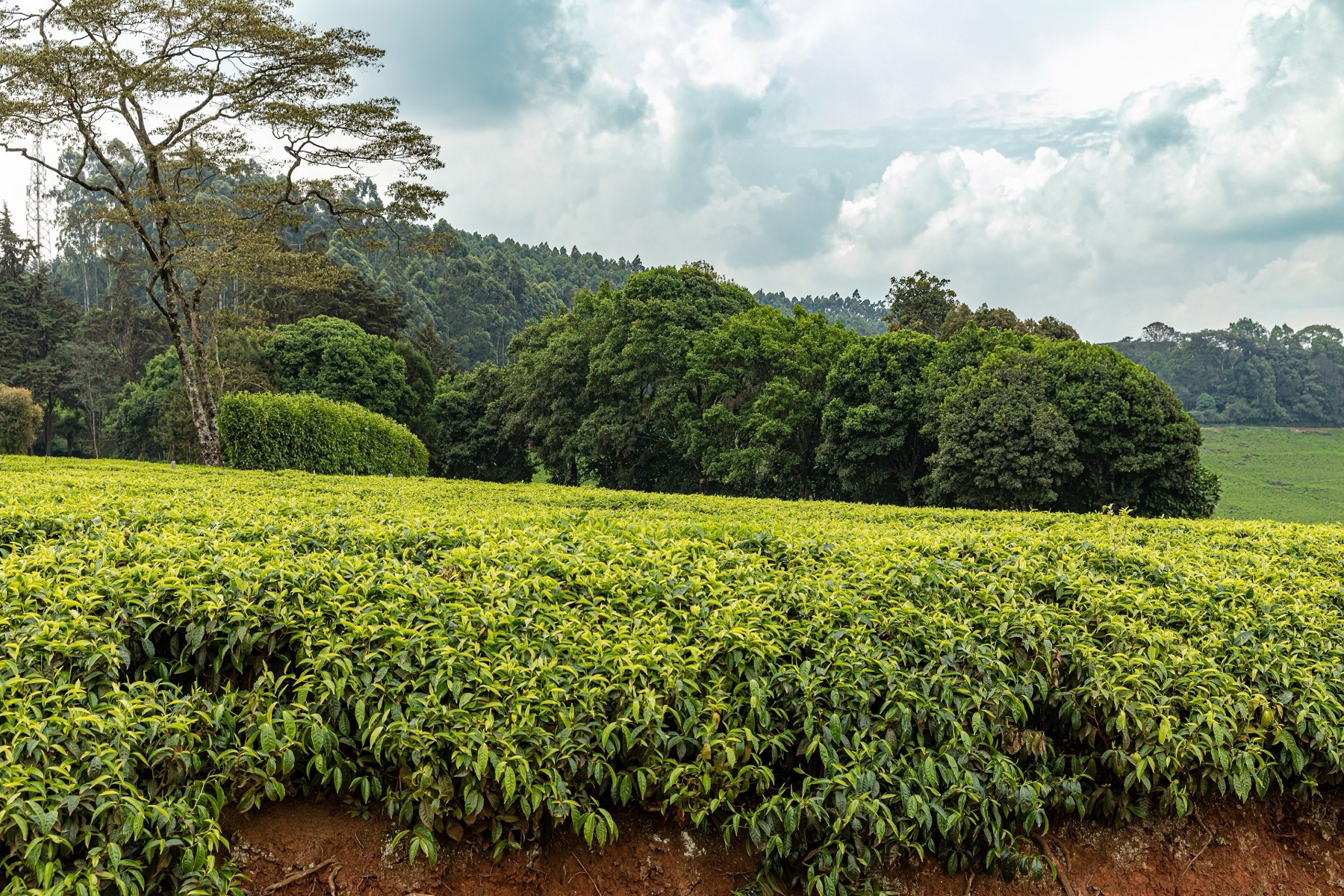
Kenya's long rains usually arrive in March and last into May. In Tigoni that means heavy afternoon showers, sometimes whole wet days, and red-earth tracks that turn slippery. The tea grows fast and the hills are vividly green.
You can still visit: plan activities for the morning, choose firmer routes, and wear shoes you do not mind getting muddy. We check conditions before every tour and will move your date if a route is unsafe.
June to August: cool and misty
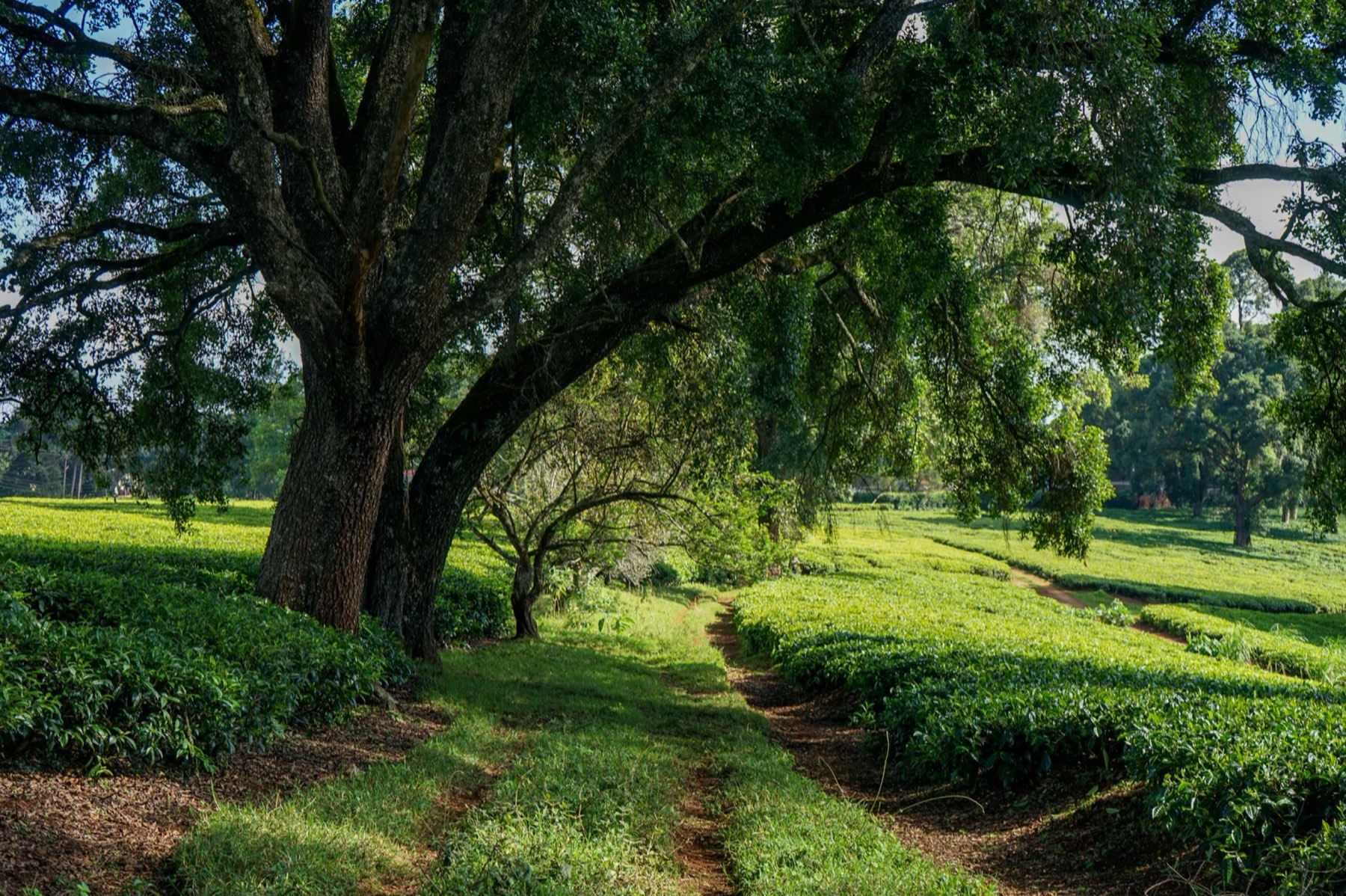
These are the coldest months in the highlands. Mornings often start in thick mist that lifts by late morning, and nights can be genuinely cold. It is a beautiful time to walk the forest lanes and tea fields, as long as you bring a fleece or jacket. If you are staying overnight, choose somewhere with a fireplace or heating.
September: a good in-between month
September is often dry and mild, with the cold of mid-year easing before the short rains. It is a reliable month for outdoor activities.
October to December: the short rains
The short rains are lighter and less predictable than the long rains, usually falling as afternoon showers. Mornings are often clear. December is a popular month for visits from Nairobi, so book weekend lunches and tours early.
Best time of day
Whatever the month, mornings are the best time to be outside in Tigoni. They are clearer, quieter and cooler, and cloud often builds in the afternoon. Light is softest early and late in the day, which is also when the tea fields photograph best.
Frequently asked questions
What is the temperature in Tigoni?
Temperatures in the Limuru area generally range from about 10°C on cold mornings to the high 20s on warm afternoons. It is usually several degrees cooler than Nairobi.
When is the rainy season in Tigoni?
The long rains usually run from March to May and the short rains from October to December. Showers are most common in the afternoon.
Can I visit Tigoni in the rainy season?
Yes. Plan activities for the morning, wear shoes that can get muddy, and allow extra time on the roads. Guided tours are moved if a route is unsafe.