Journal · Published
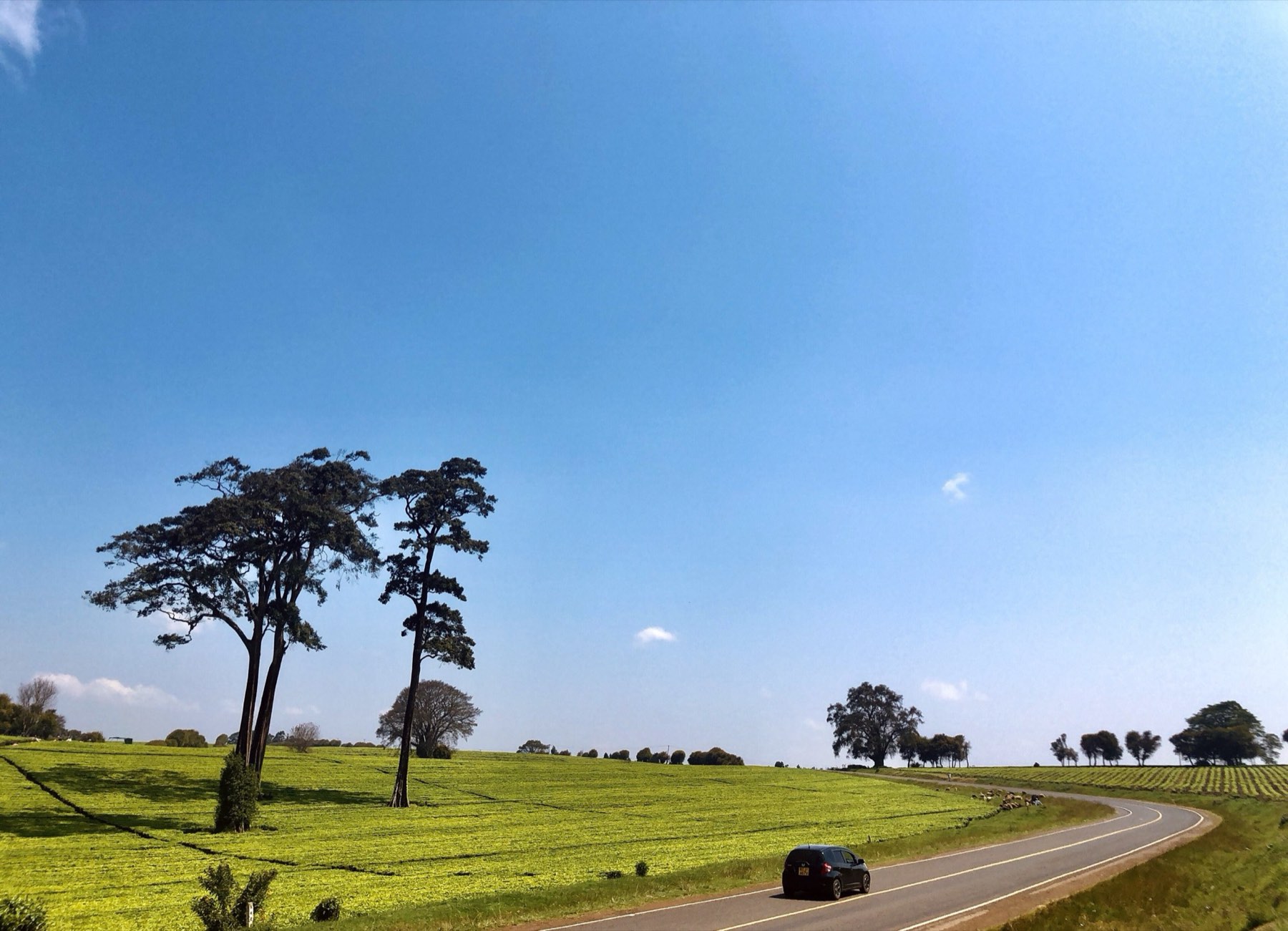
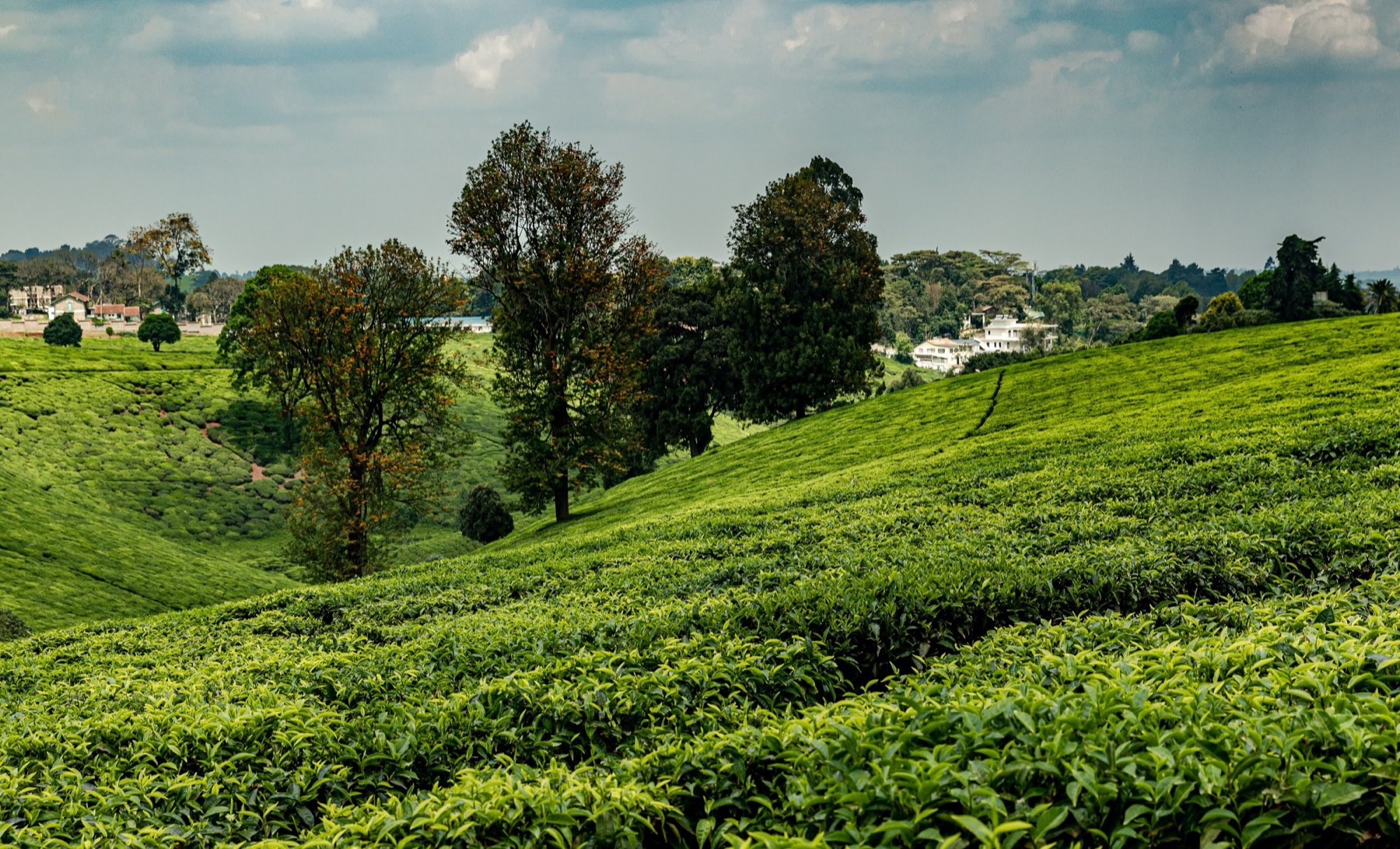
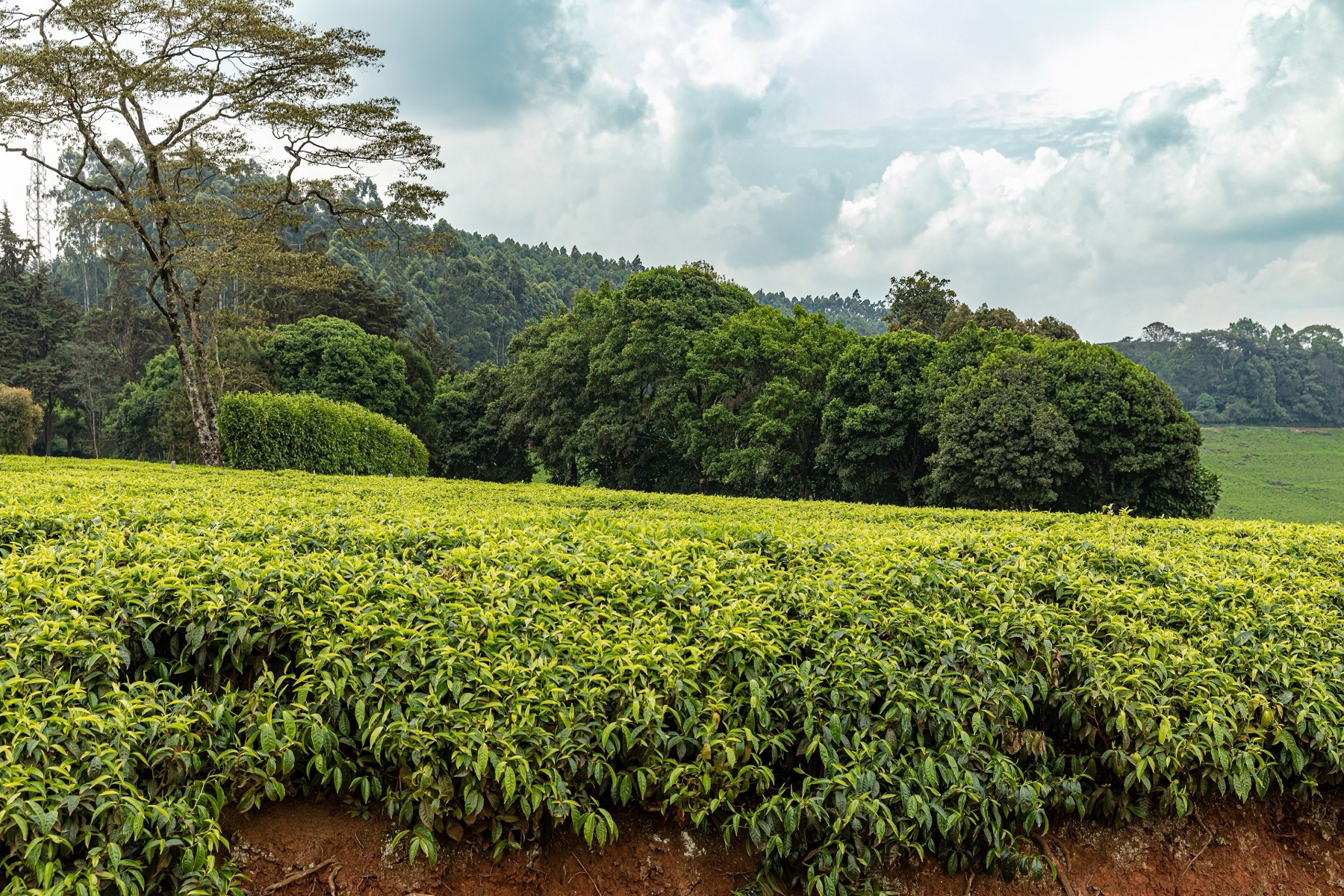
Tigoni gets plenty of rain, which is exactly why it is so green and why tea grows so well here. Visiting in the rainy season takes a little more planning, but it can be the most beautiful time of year. Here is what to expect and how to make the most of it.
When the rains come
The long rains usually run from March to May and the short rains from October to December. The long rains are heavier and more persistent; the short rains often fall as afternoon showers with clear mornings. Even outside these months, a shower is never out of the question in the highlands.
What changes on the ground
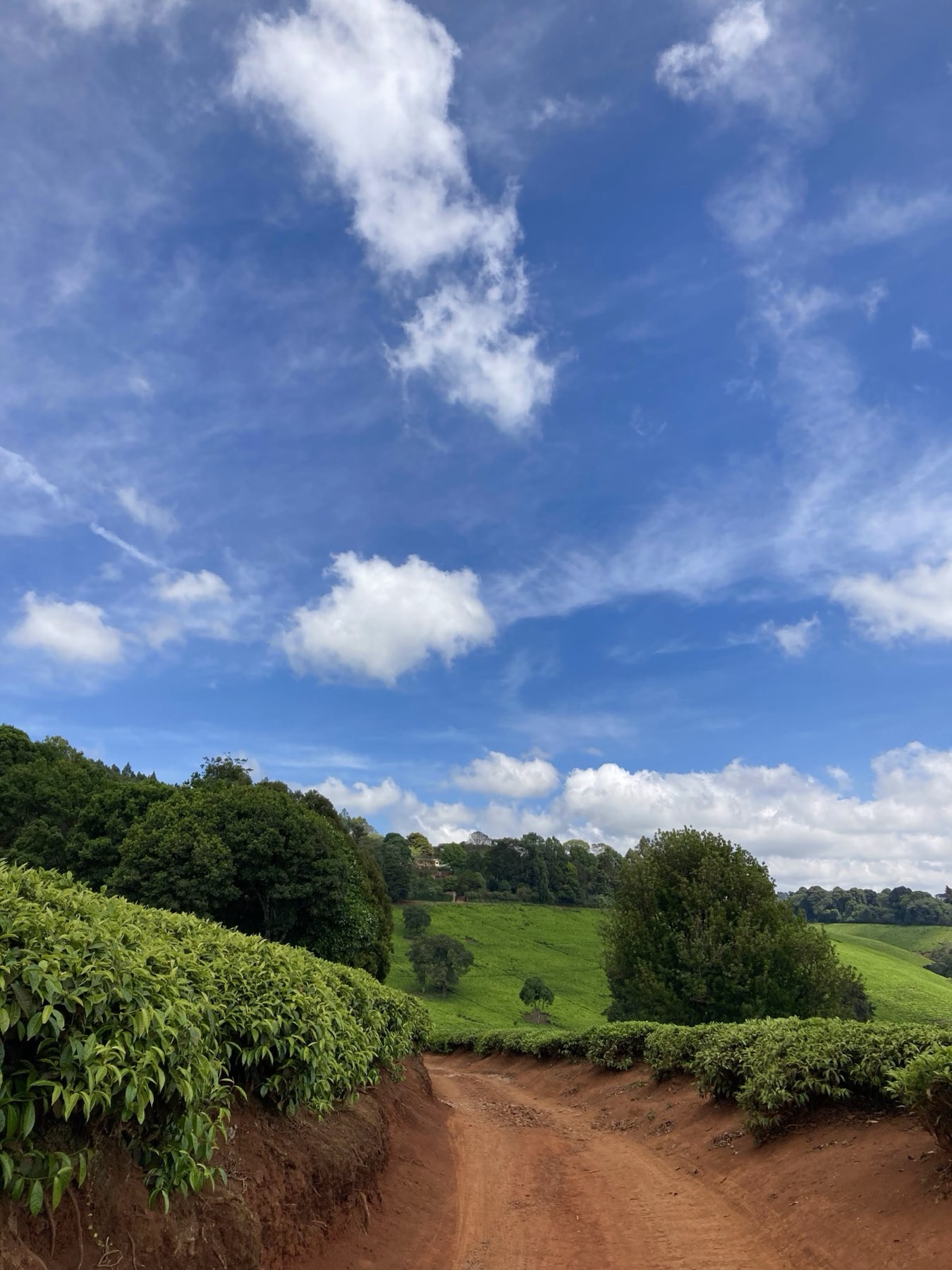
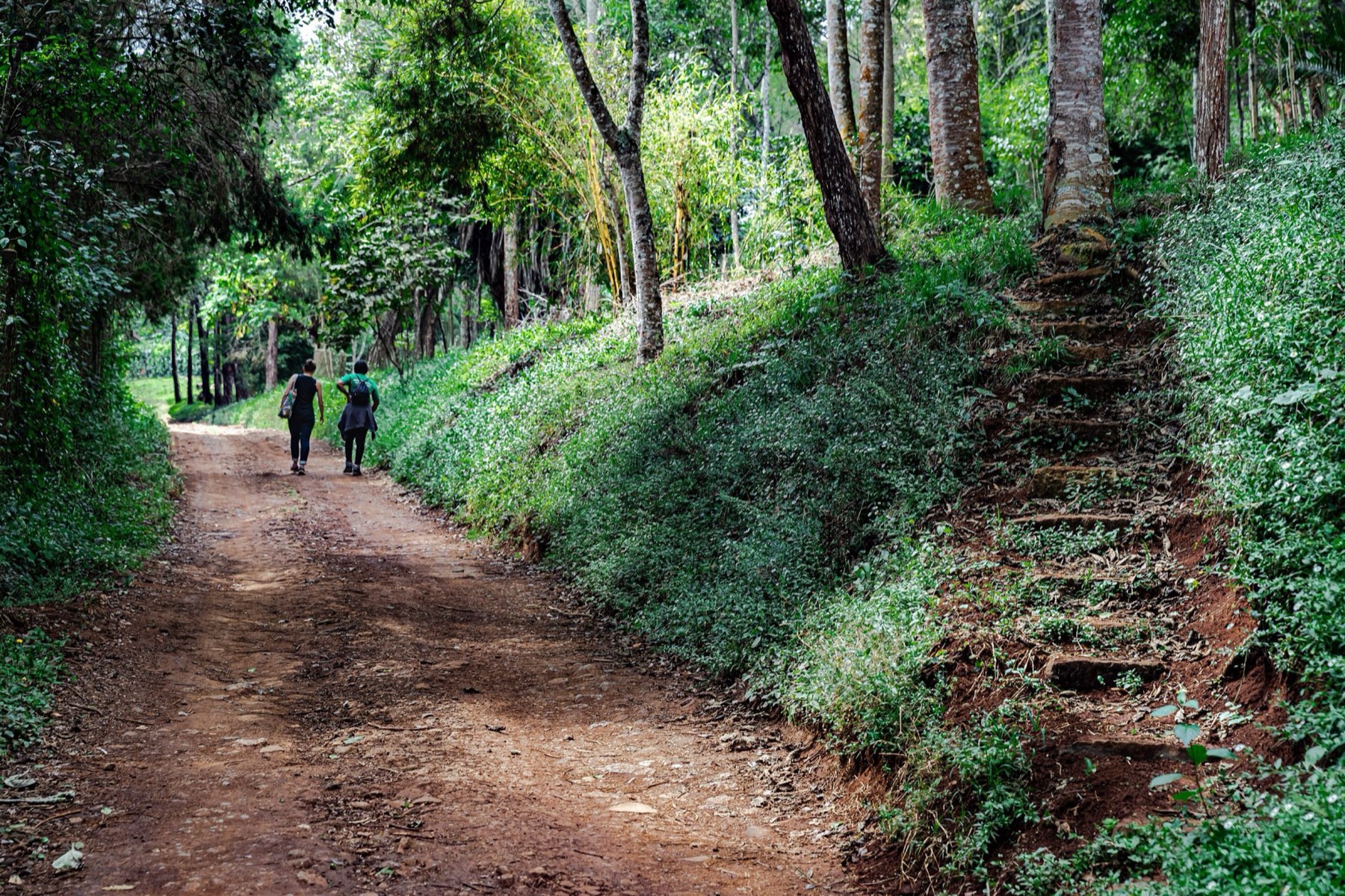
Most farm tracks in Tigoni are red earth. After heavy rain they become slippery and sticky, which slows walks and makes some routes unsuitable for bikes. Footpaths between the tea can be wet and muddy. Main roads stay open, but rural lanes can be tricky in a low car.
How we adapt tours
We check the forecast and route conditions before every activity. In wet weather we use firmer roads for e-bike rides, shorten or reroute hikes, and start earlier to avoid afternoon storms. If a route is unsafe, we will suggest another time or move your date.
Why the rainy season is worth it
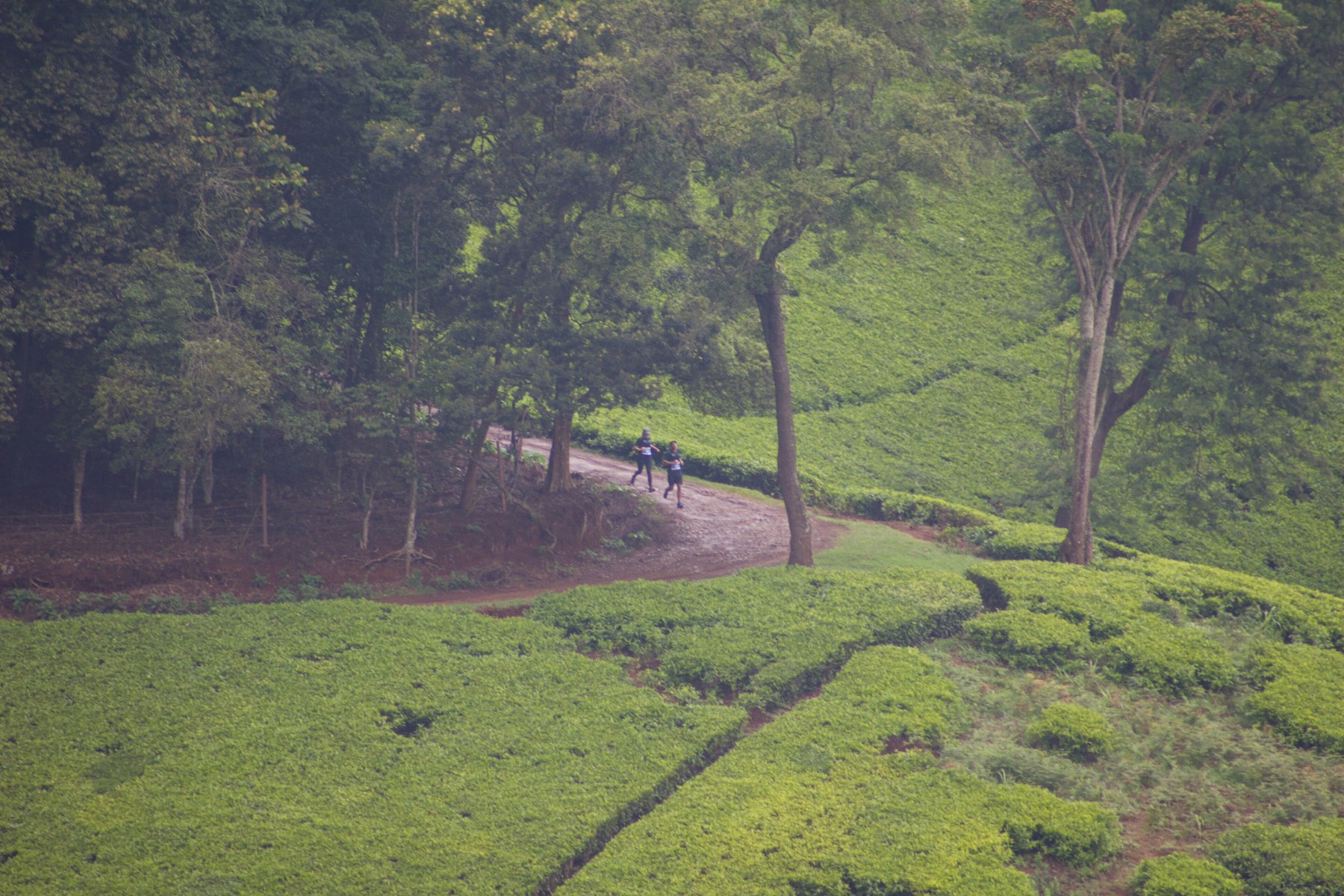
The tea is at its brightest green, the forests are lush, and mornings after rain are often crisp and clear. There are also fewer visitors on weekdays. Misty mornings in the tree-lined lanes are some of the most atmospheric scenes in Tigoni.
Rainy-season checklist
- Plan outdoor activities for the morning.
- Wear waterproof shoes or boots and bring spare socks.
- Pack a proper rain jacket, not just an umbrella.
- Allow extra time on the roads from Nairobi.
- Book an indoor-friendly lunch spot with a fire for the afternoon.
Keep planning