Journal · Published
Walk through Tigoni's tea on almost any morning and you will see pickers moving steadily along the rows, baskets on their backs. Picking is skilled, physical work, and it is the foundation of one of Kenya's most important industries. Here is how it works.
The plucking table
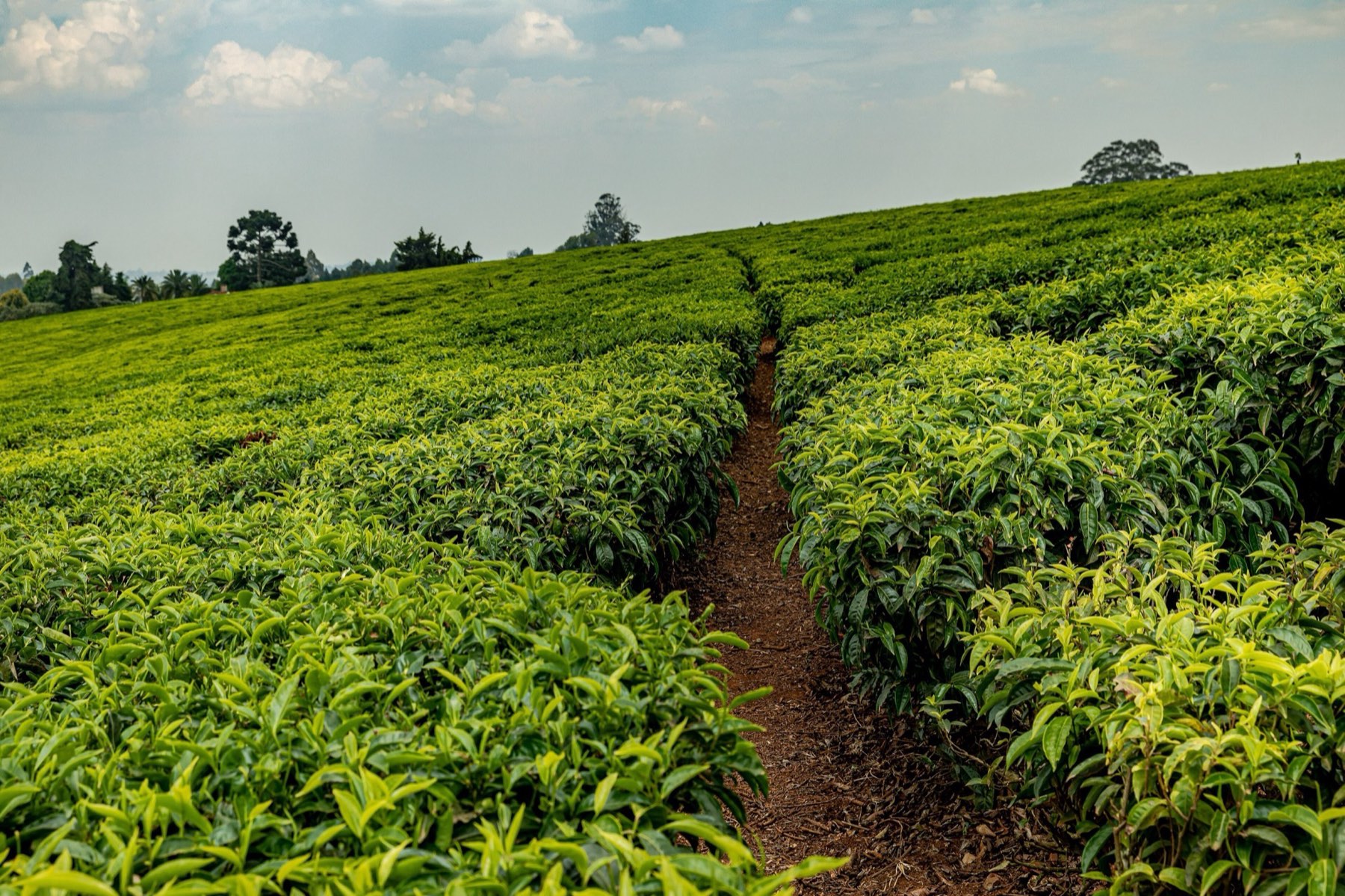
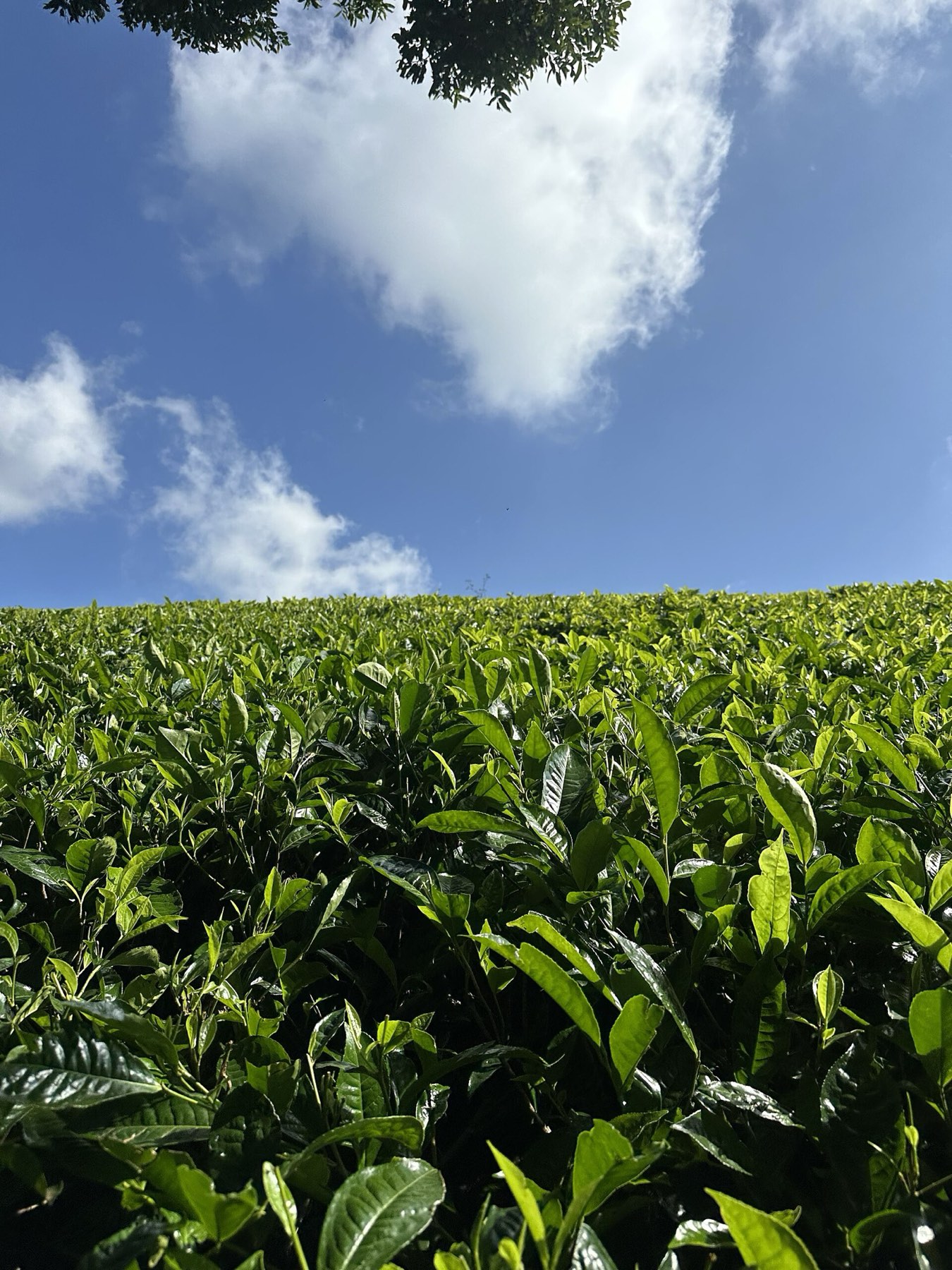
Left alone, a tea plant grows into a tree. On farms it is pruned to about waist height and kept flat on top. This flat surface, called the plucking table, is where the new shoots grow, and it is what gives tea fields their smooth, carpet-like look.
Two leaves and a bud
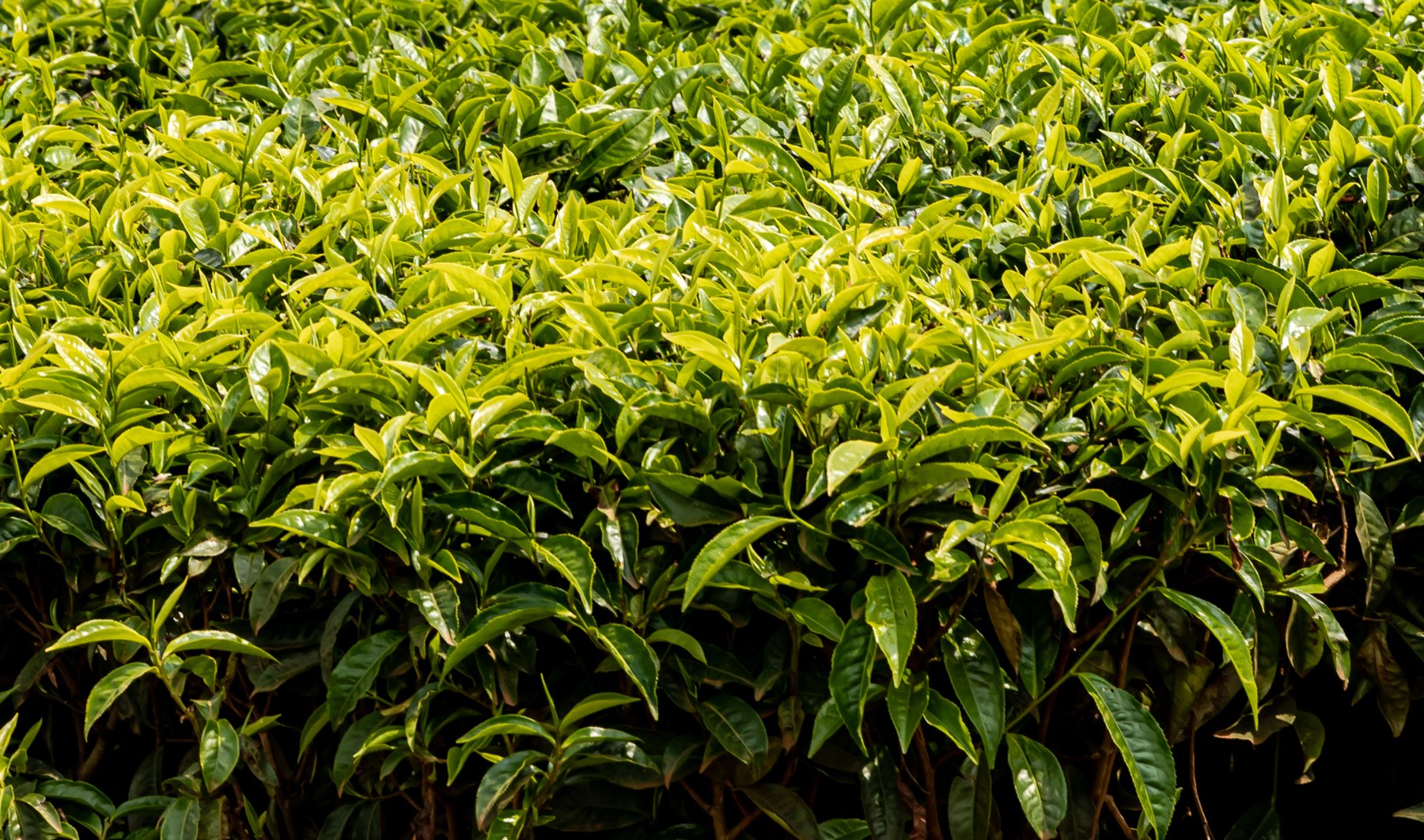
Pickers take only the newest growth: the bud at the tip of a shoot and the two leaves below it. Older, tougher leaves make poorer tea. Experienced pickers work quickly with both hands, dropping the leaf over their shoulder into a basket.
Plucking rounds
Because the climate in highlands like Tigoni allows growth for most of the year, each field is picked in rounds, typically every week or two. The pace of growth changes with the rain, so picking is busiest in the wet seasons.
Weighing and payment
At the end of a session, the leaf is taken to a collection point where it is weighed and recorded. Pickers on estates are commonly paid by weight, and smallholder farmers are paid for the leaf they deliver to their factory.
Smallholders and estates
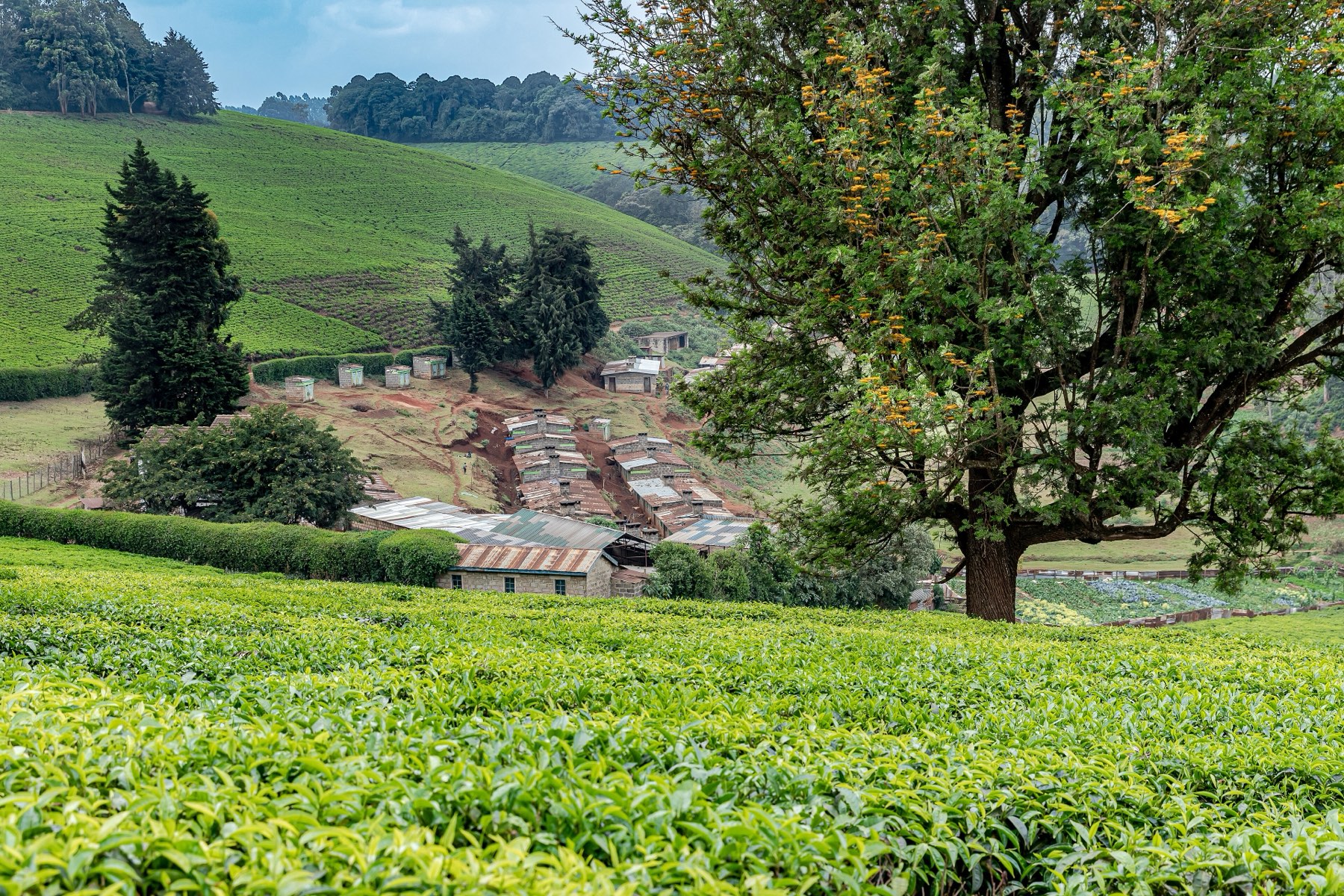
Kenya's tea comes from two kinds of grower: large estates and hundreds of thousands of smallholder farmers, many of whom deliver their leaf through factories managed by the Kenya Tea Development Agency (KTDA). Around Tigoni you will see both, from estate fields to small family plots.

Seeing it for yourself
On a guided tea walk you can see picking in progress, learn how to spot a good shoot, and understand what happens next. Please ask before taking photographs of pickers, who are at work.