Journal · Published
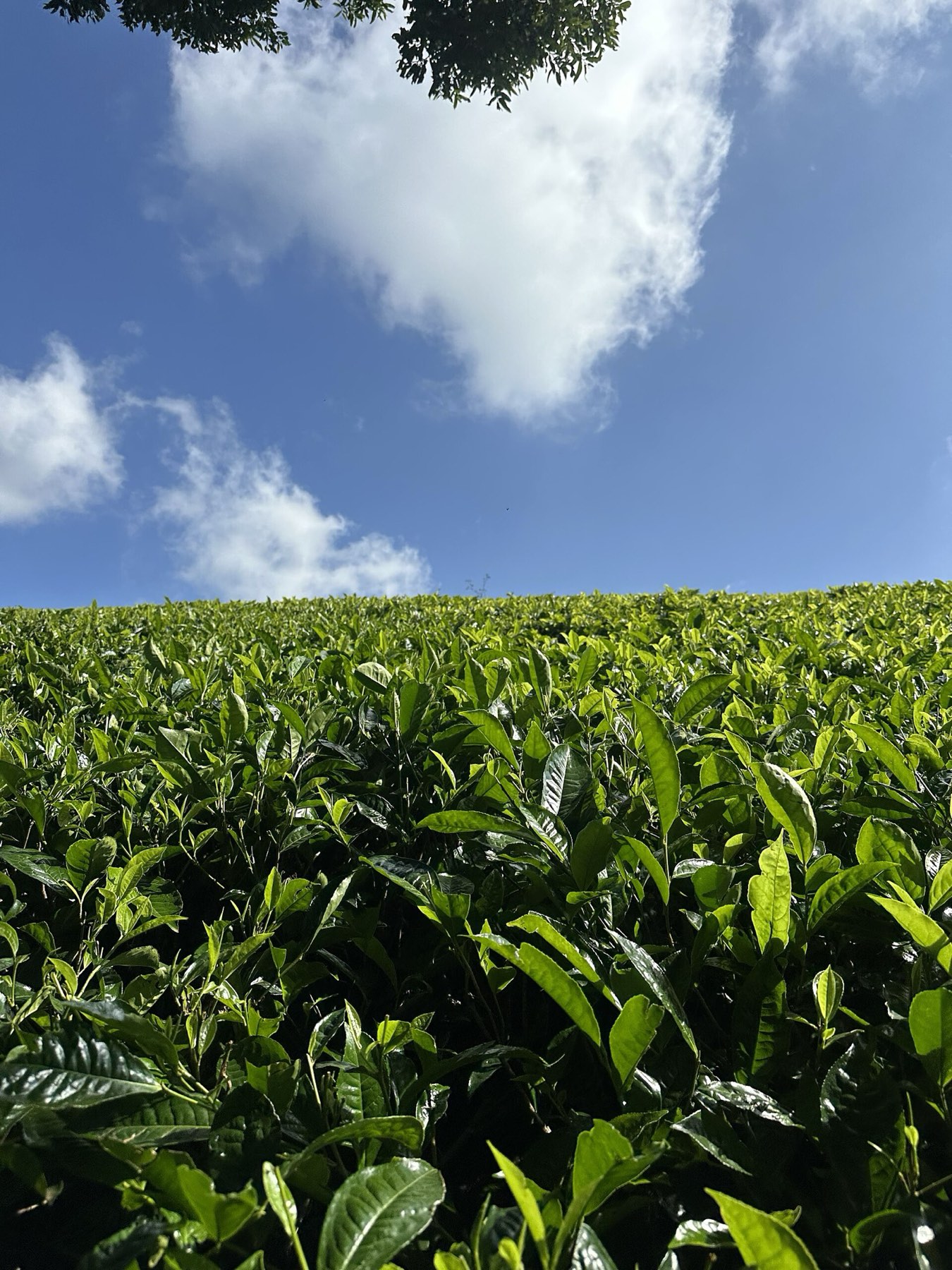
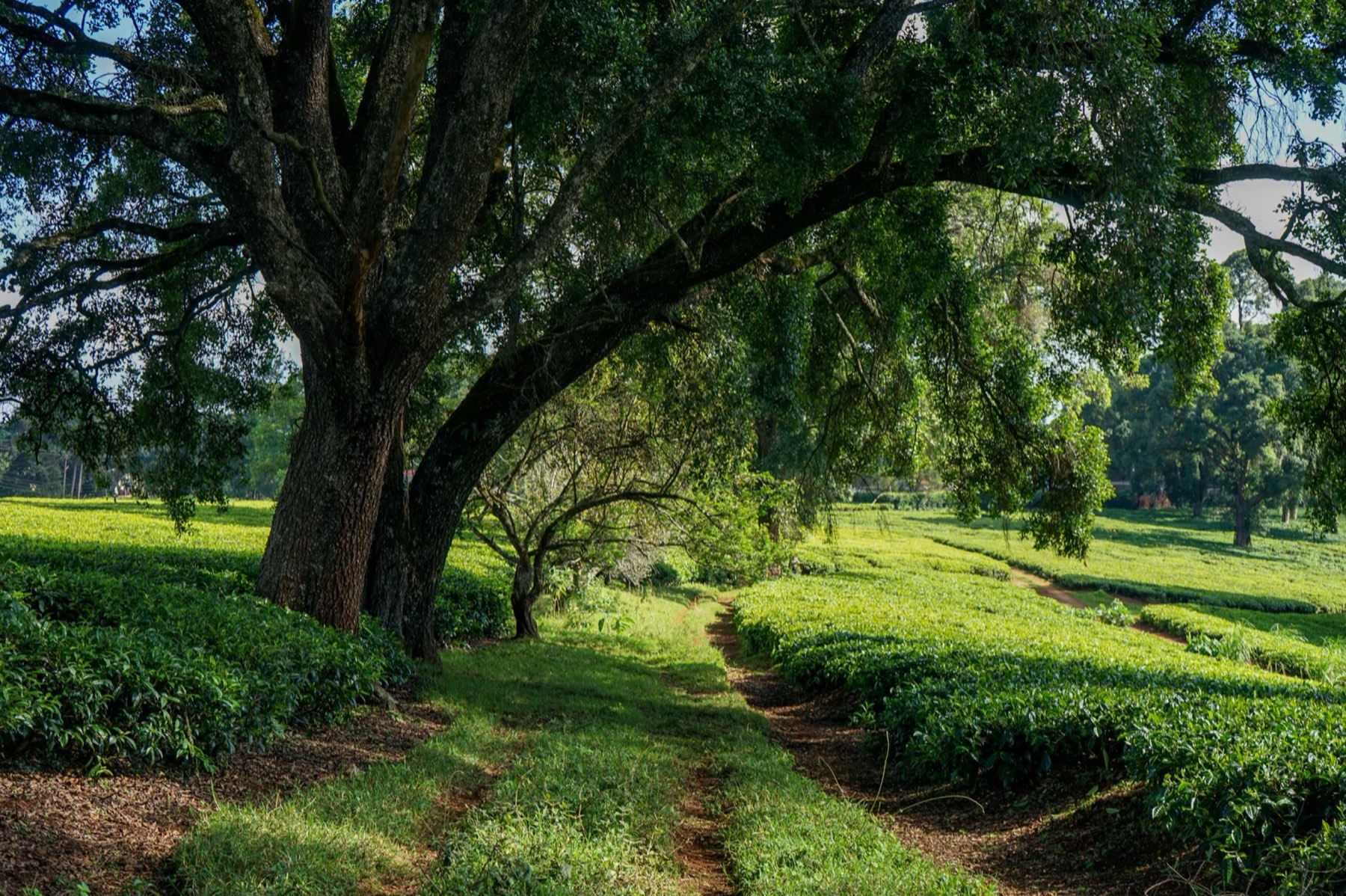
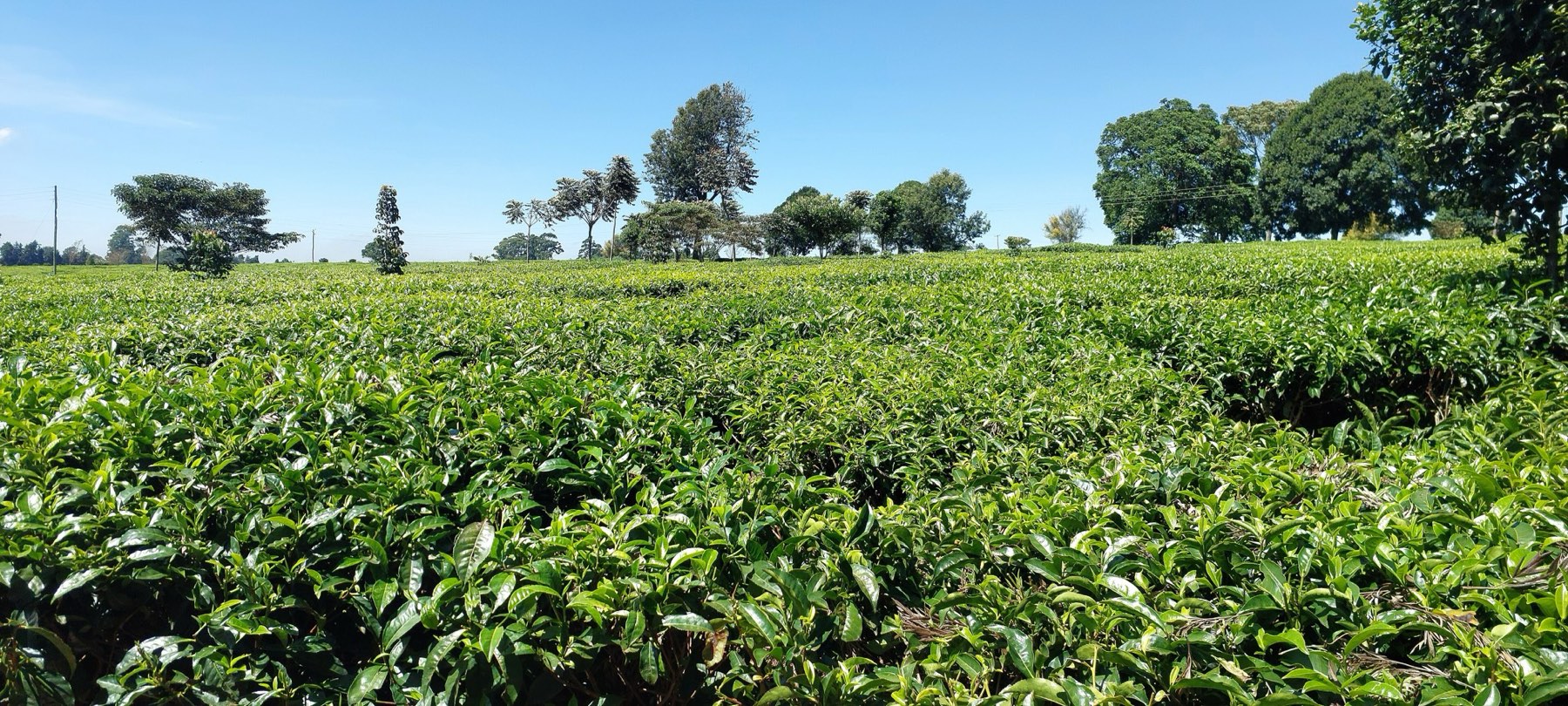
Tea is one of Kenya's biggest exports and the crop that shapes the landscape around Tigoni. Here are ten facts that put a cup of Kenyan tea, and a walk through Tigoni's fields, into context.
1. It started in the Limuru highlands
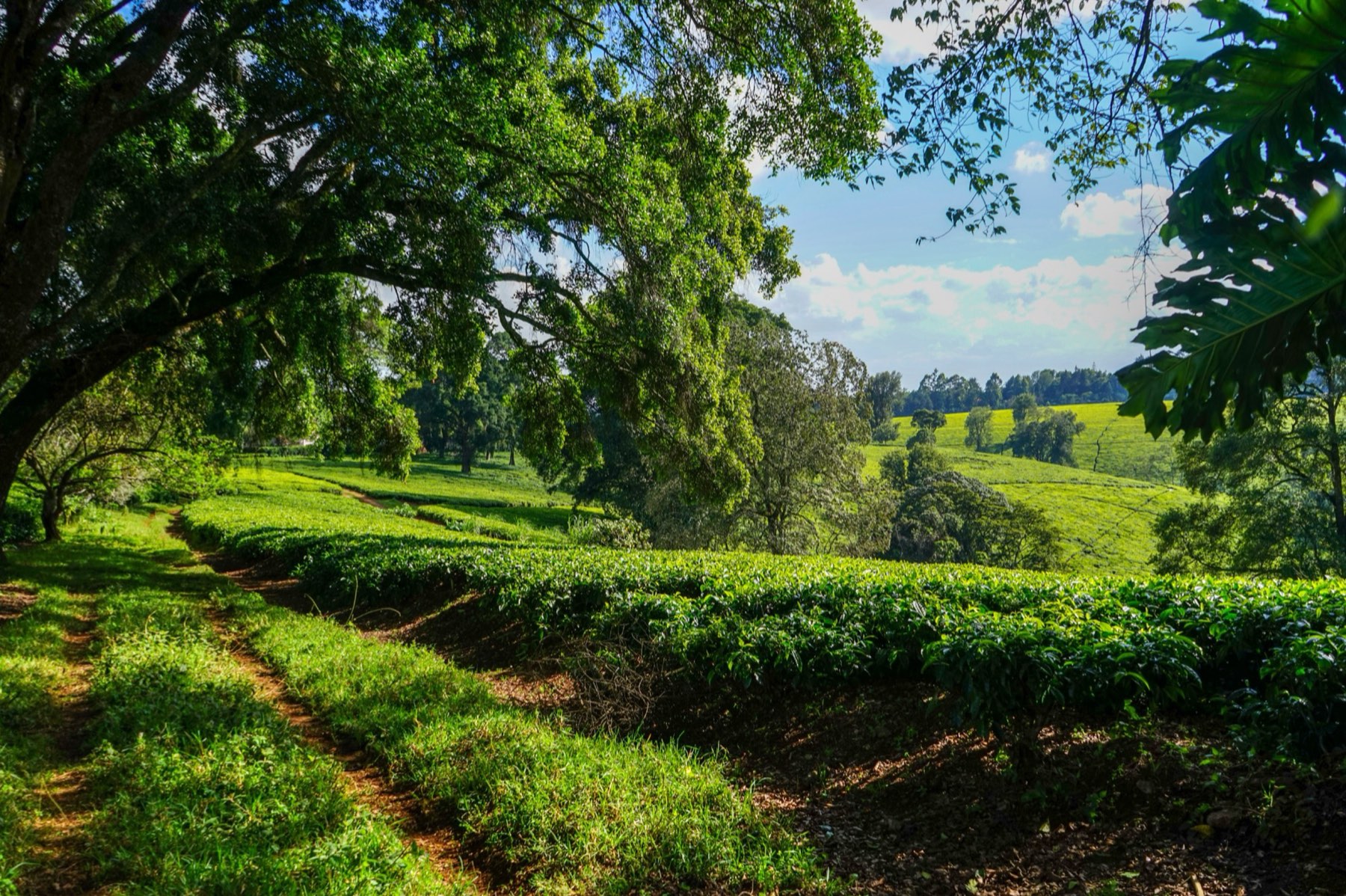
Tea was first planted in Kenya in the early 1900s, and the Limuru area, including Tigoni, was among the first places it was grown. Kiambethu Tea Farm in Tigoni dates from 1910.
2. Kenya is a leading exporter of black tea
Kenya is regularly ranked as the world's largest exporter of black tea, shipping hundreds of millions of kilograms a year.
3. Most of it is CTC tea
Most Kenyan tea is made by the CTC (crush, tear, curl) method, which produces strong, fast-brewing granules ideal for tea bags and chai.
4. It grows at altitude
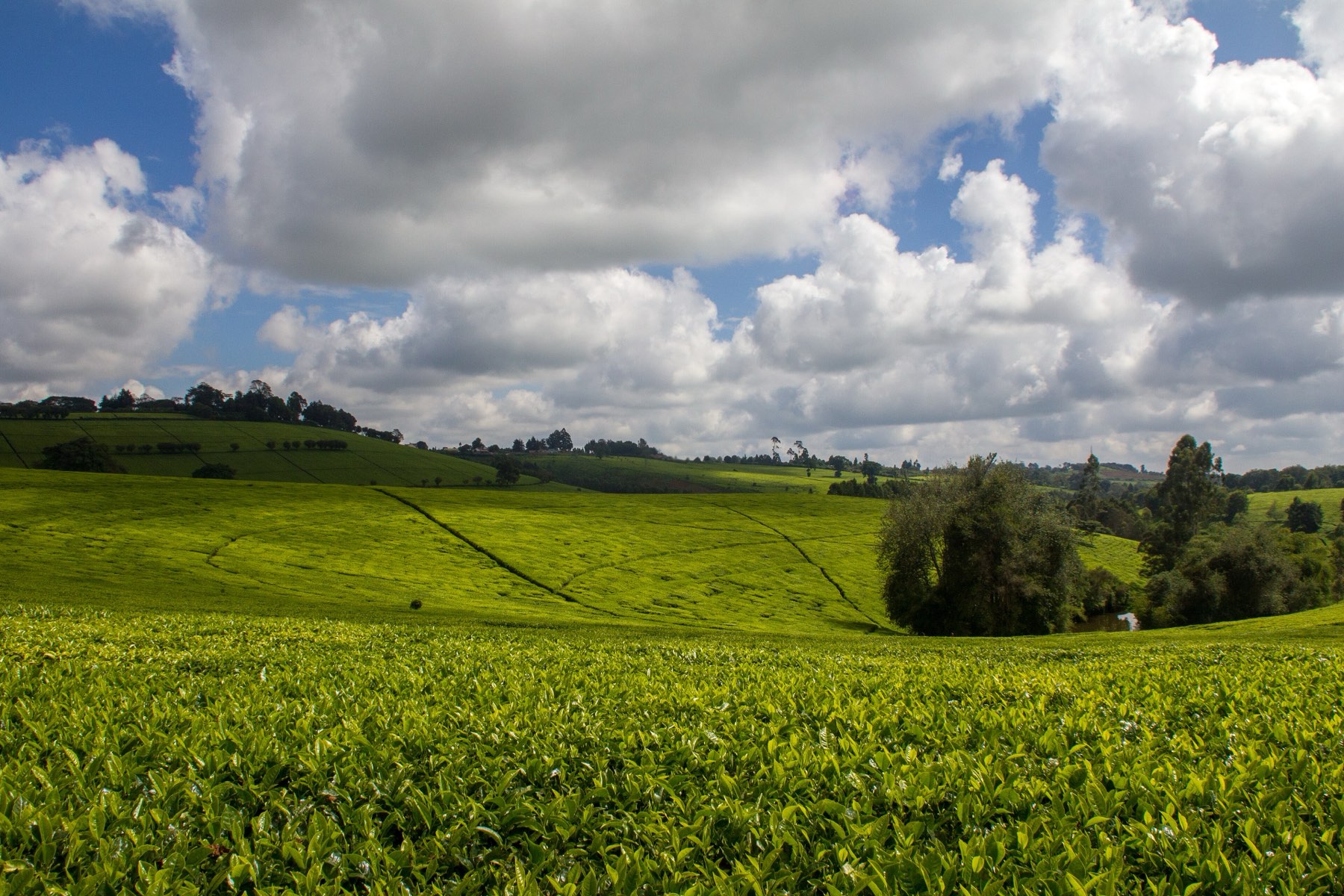
Kenyan tea grows in the highlands, mostly between about 1,500 and 2,700 metres, where cool temperatures and regular rain suit the plant. Tigoni sits above 2,000 metres.
5. It grows on both sides of the Rift Valley
Major tea areas include Kericho, Bomet and Nandi west of the Rift Valley, and Kiambu, Murang'a, Nyeri, Kirinyaga, Embu, Meru and Kisii elsewhere in the highlands.
6. Smallholders grow most of it
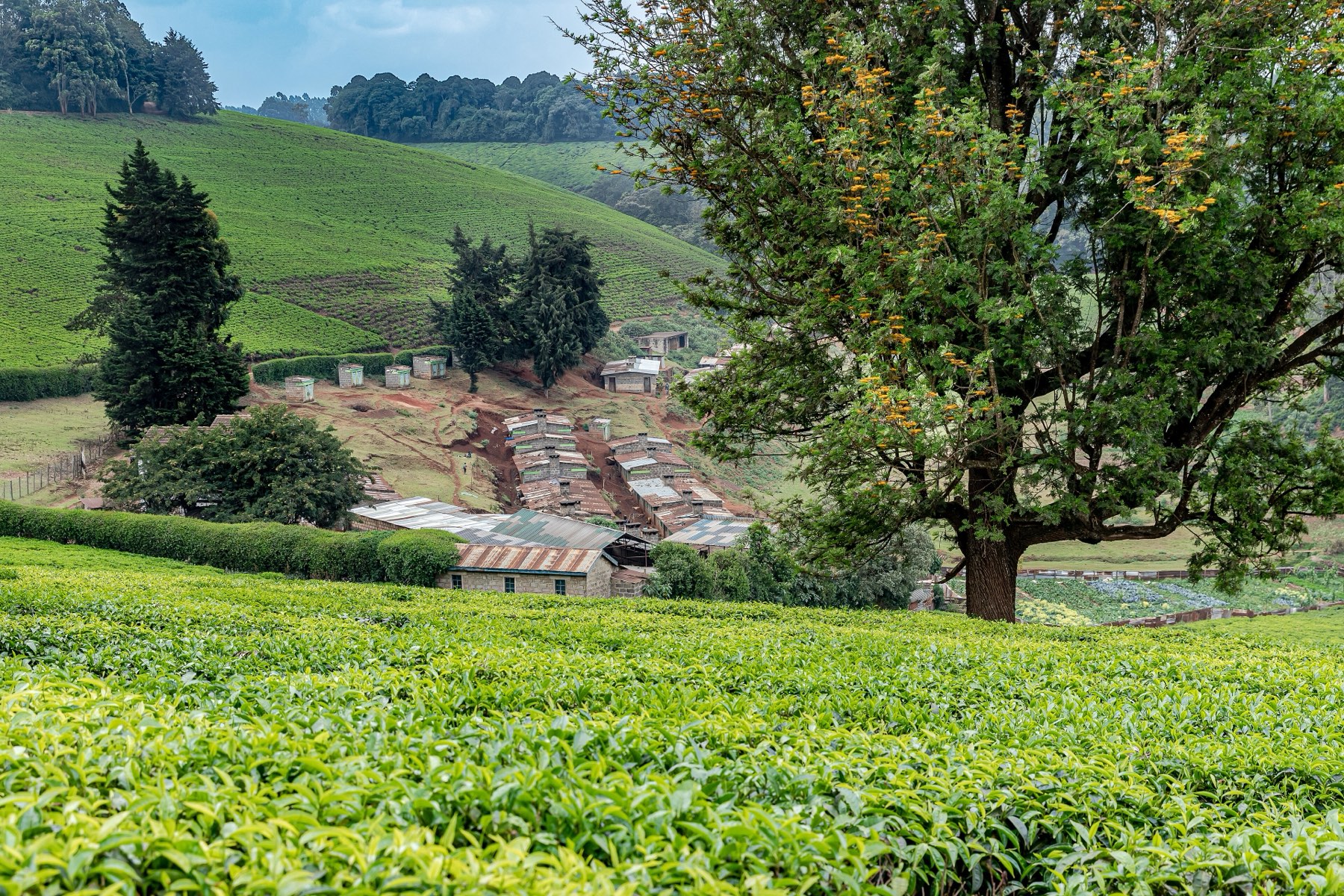
Hundreds of thousands of small-scale farmers grow tea in Kenya, many delivering their leaf to factories managed by the Kenya Tea Development Agency (KTDA). The rest comes from large estates.
7. It is picked by hand
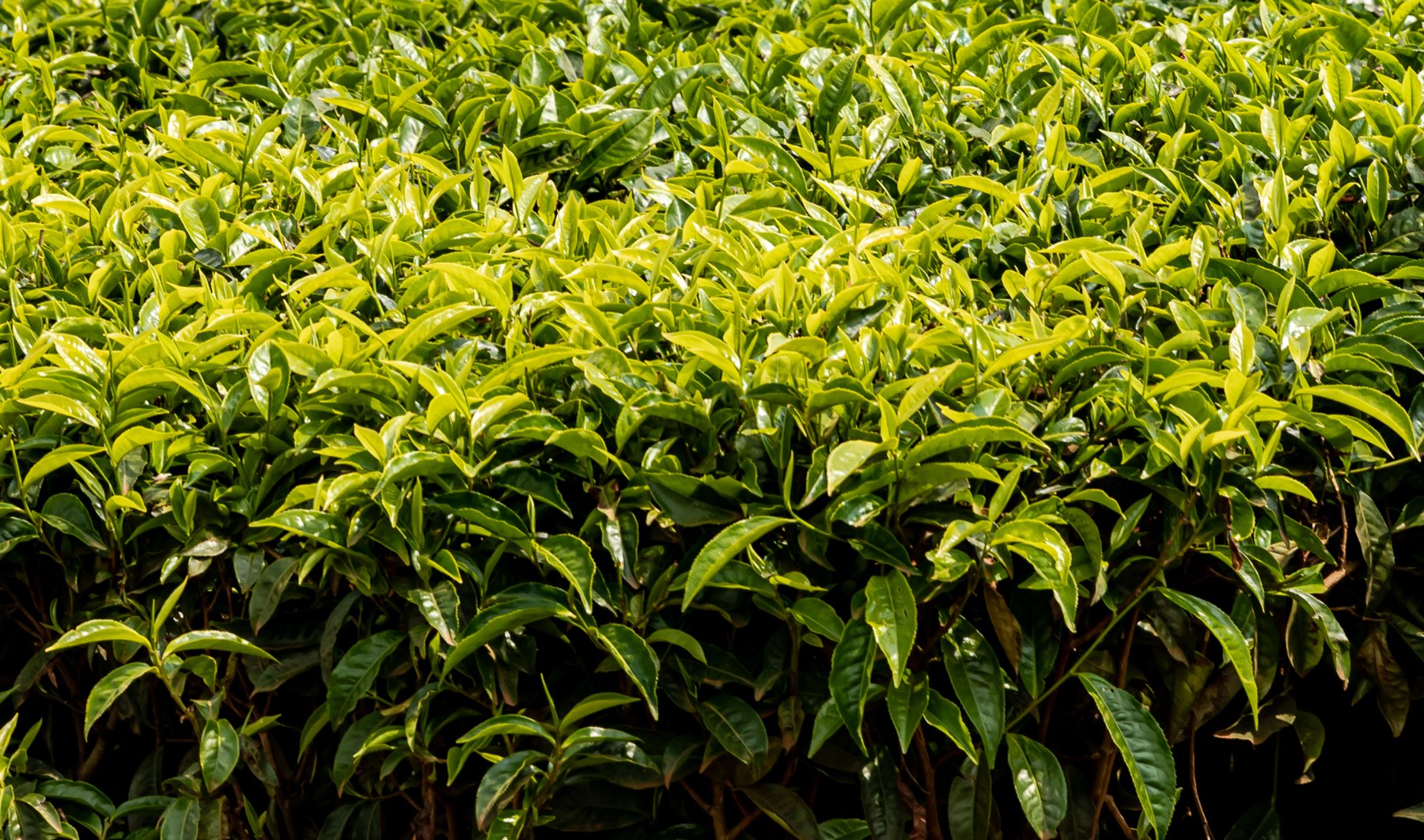
Much of Kenya's tea is still hand-plucked, taking two leaves and a bud from each shoot, though machines are increasingly used on some estates.
8. It is sold at auction in Mombasa
The weekly Mombasa tea auction is one of the largest in the world and also sells tea from other East and Central African countries.
9. Pakistan is the biggest buyer
Pakistan, Egypt and the United Kingdom are among the largest importers of Kenyan tea, much of which ends up in blends.
10. At home, it means chai
In Kenya, tea is usually drunk as chai: tea leaves boiled together with milk and water and sweetened with sugar. It is part of daily life, from breakfast to the afternoon break.