Journal · Published
Limuru is the market town at the heart of the highlands north-west of Nairobi, and Tigoni is one of the farming areas around it. Many visitors drive straight through, but the town and its surroundings have a long history and plenty to do.
A short history
European settlers began farming around Limuru from the 1890s, drawn by the fertile soil, the cool climate and the Uganda Railway, which passes through the area. Tea plantations were established from the early 1900s and became the foundation of Kenya's tea industry.
In 1942 the Bata shoe company built a factory in Limuru, along with housing for its workers. The factory remains one of the town's best-known employers.
Tea farms
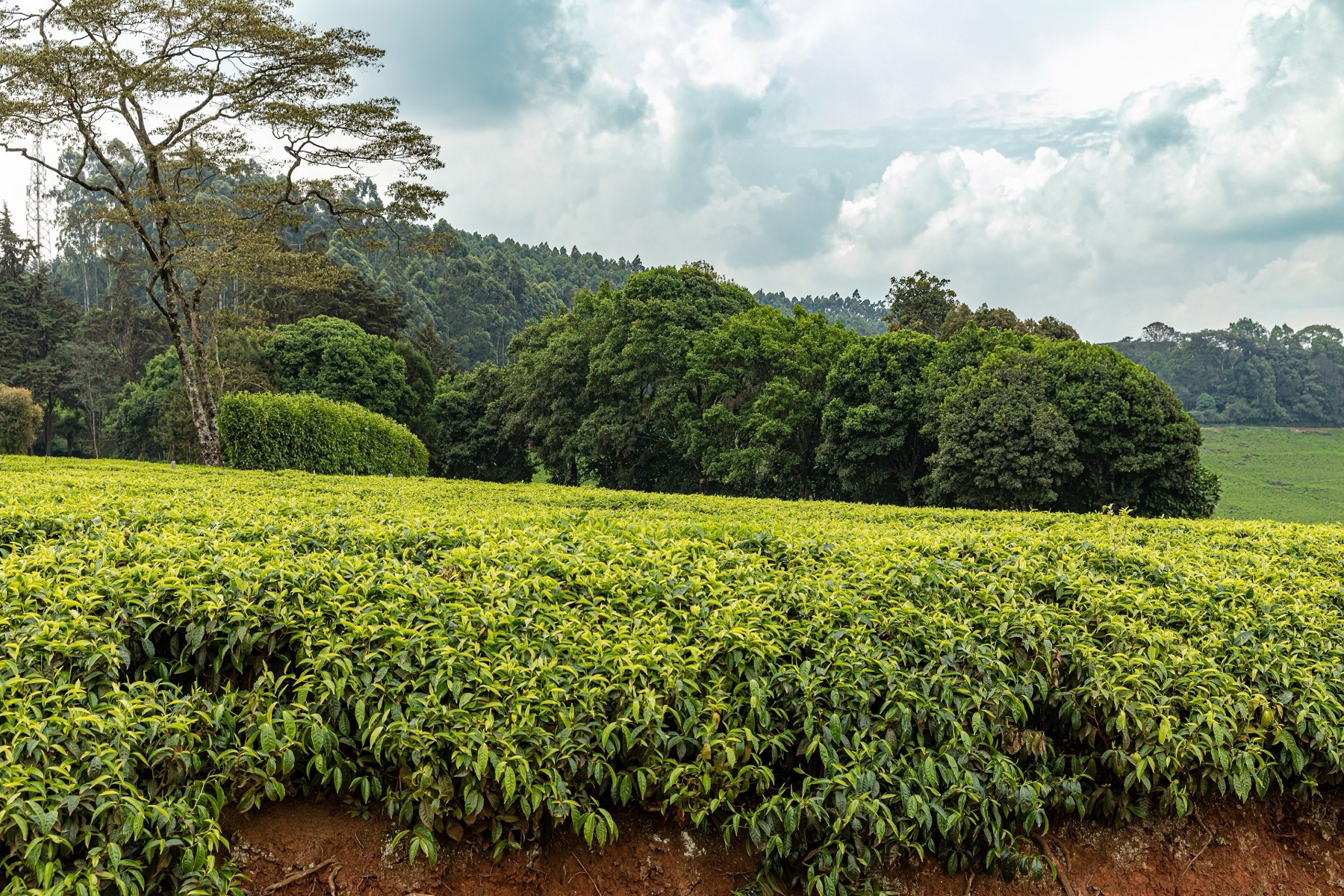
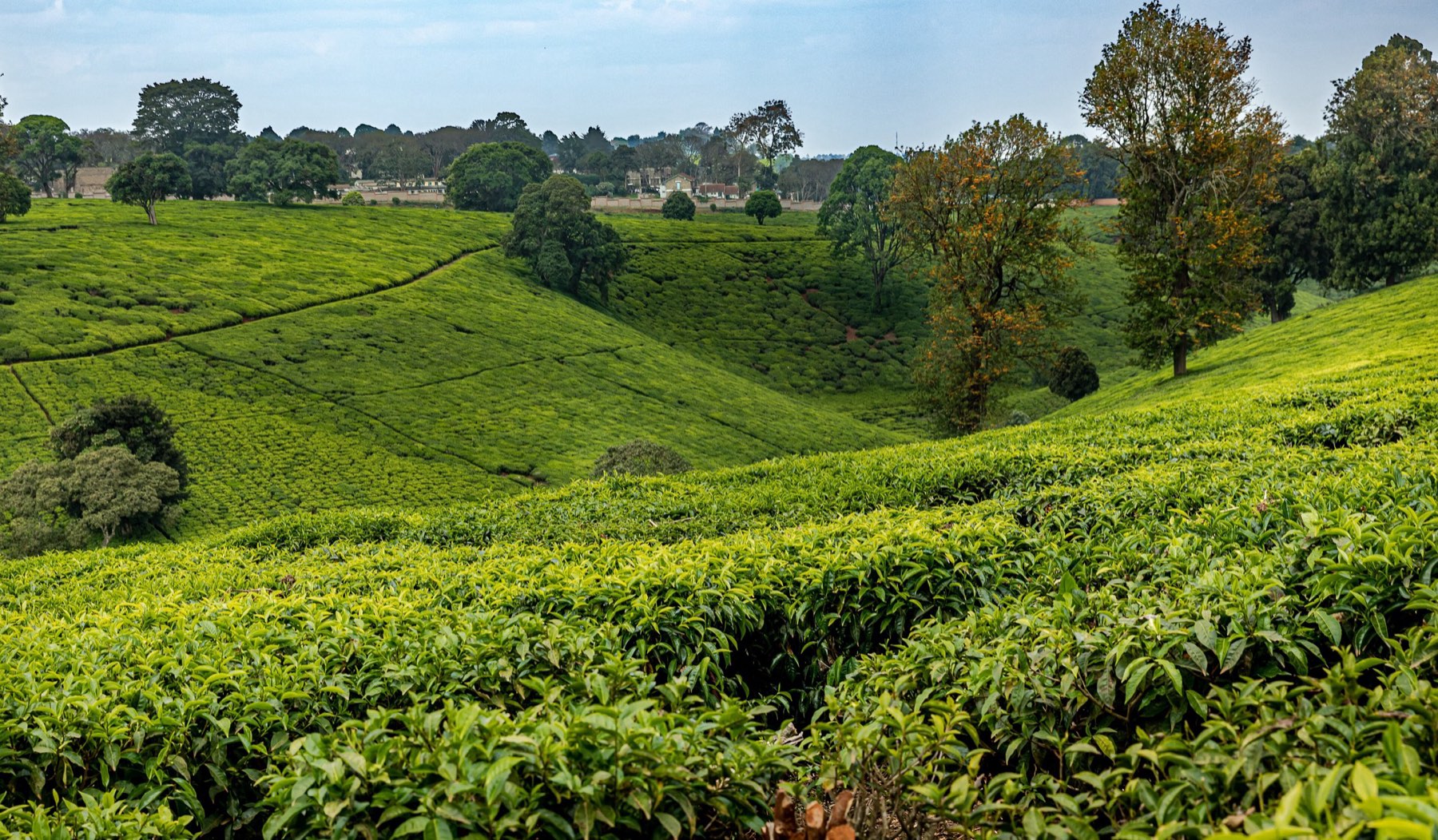
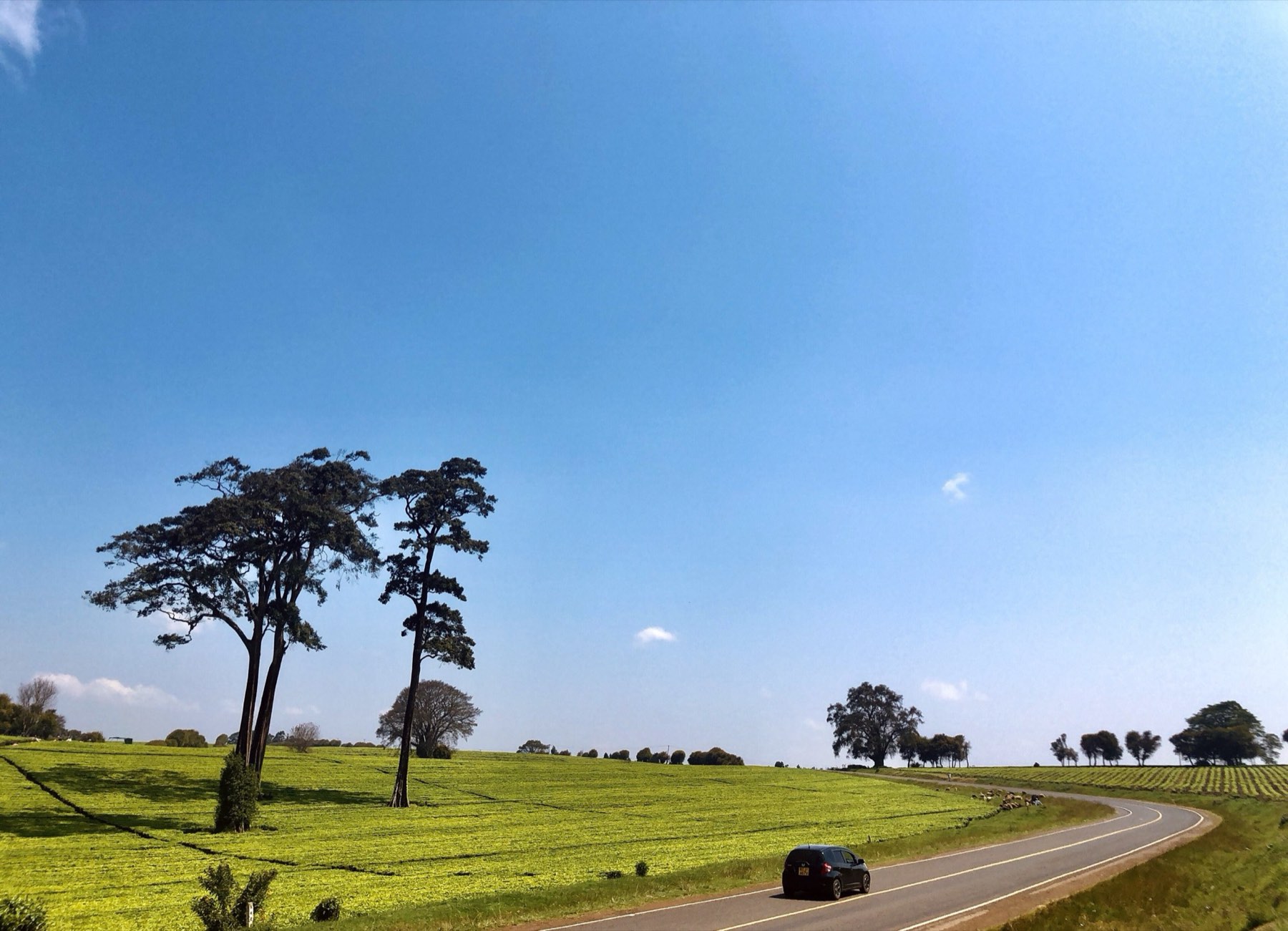
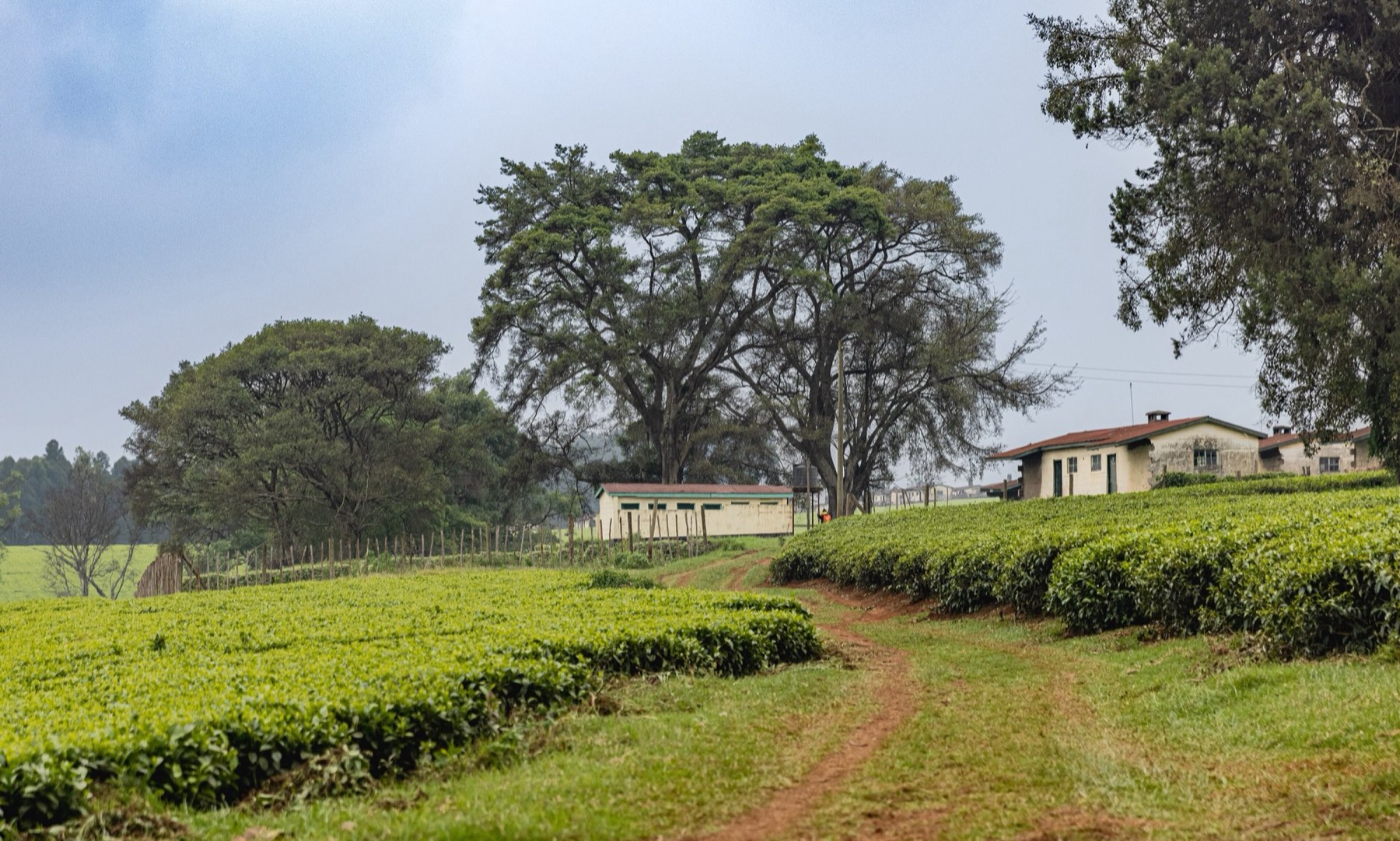
The tea fields around Tigoni are the area's signature landscape. You can visit Kiambethu Tea Farm by booking, or take a guided tea walk through working fields.

Golf, forests and gardens
- Limuru Country Club: an 18-hole course founded in 1926; visitors book ahead.
- Brackenhurst: forest walks through indigenous forest restored since 2001.
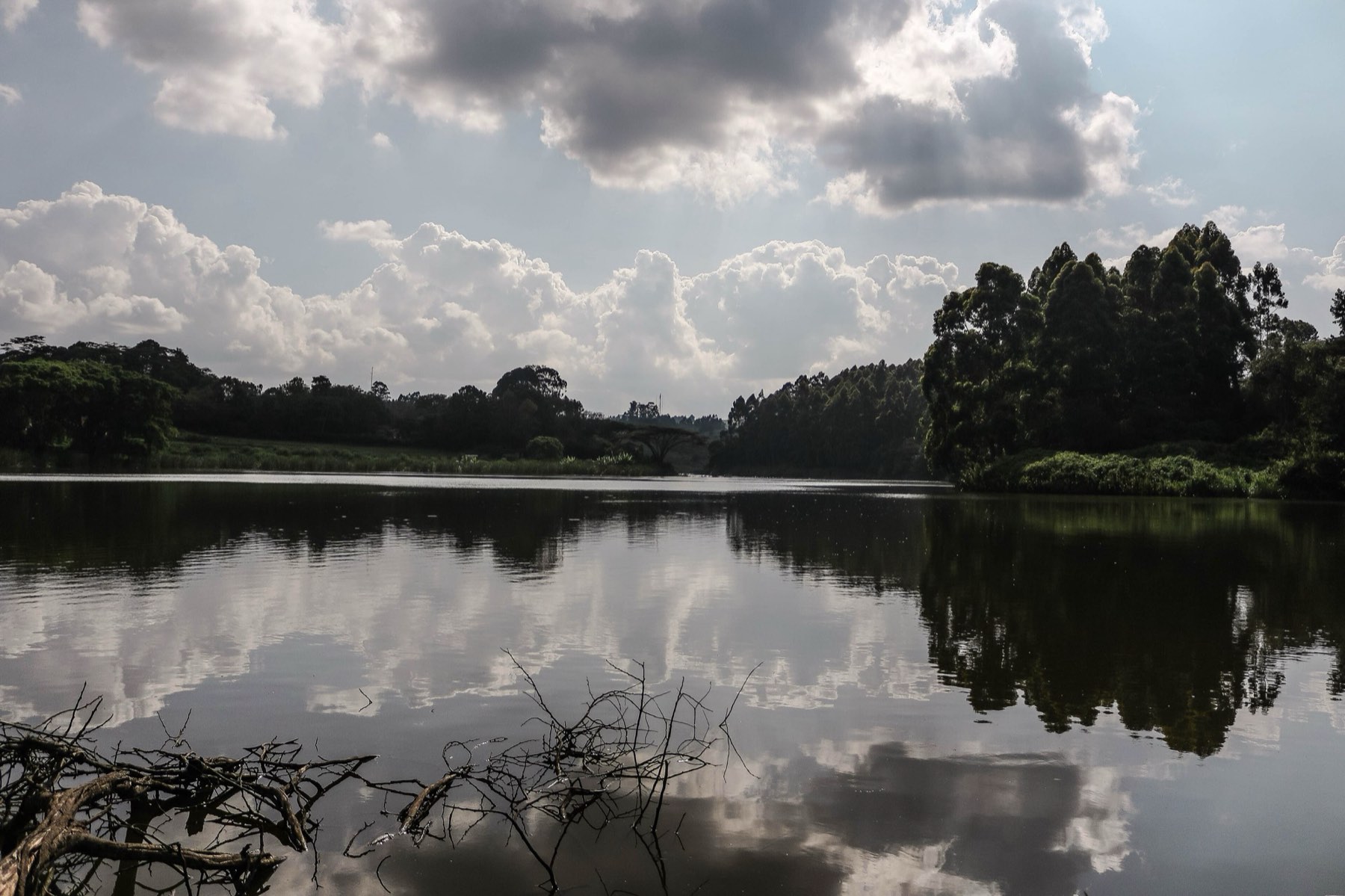
- Lake Tigoni: a quiet, forest-fringed lake near the town.
Markets and farm produce
The Limuru highlands grow much of the vegetables sold in Nairobi. Look out for roadside stalls selling potatoes, carrots, cabbages, greens and fruit, and for the busy market in town.

Outdoor activities
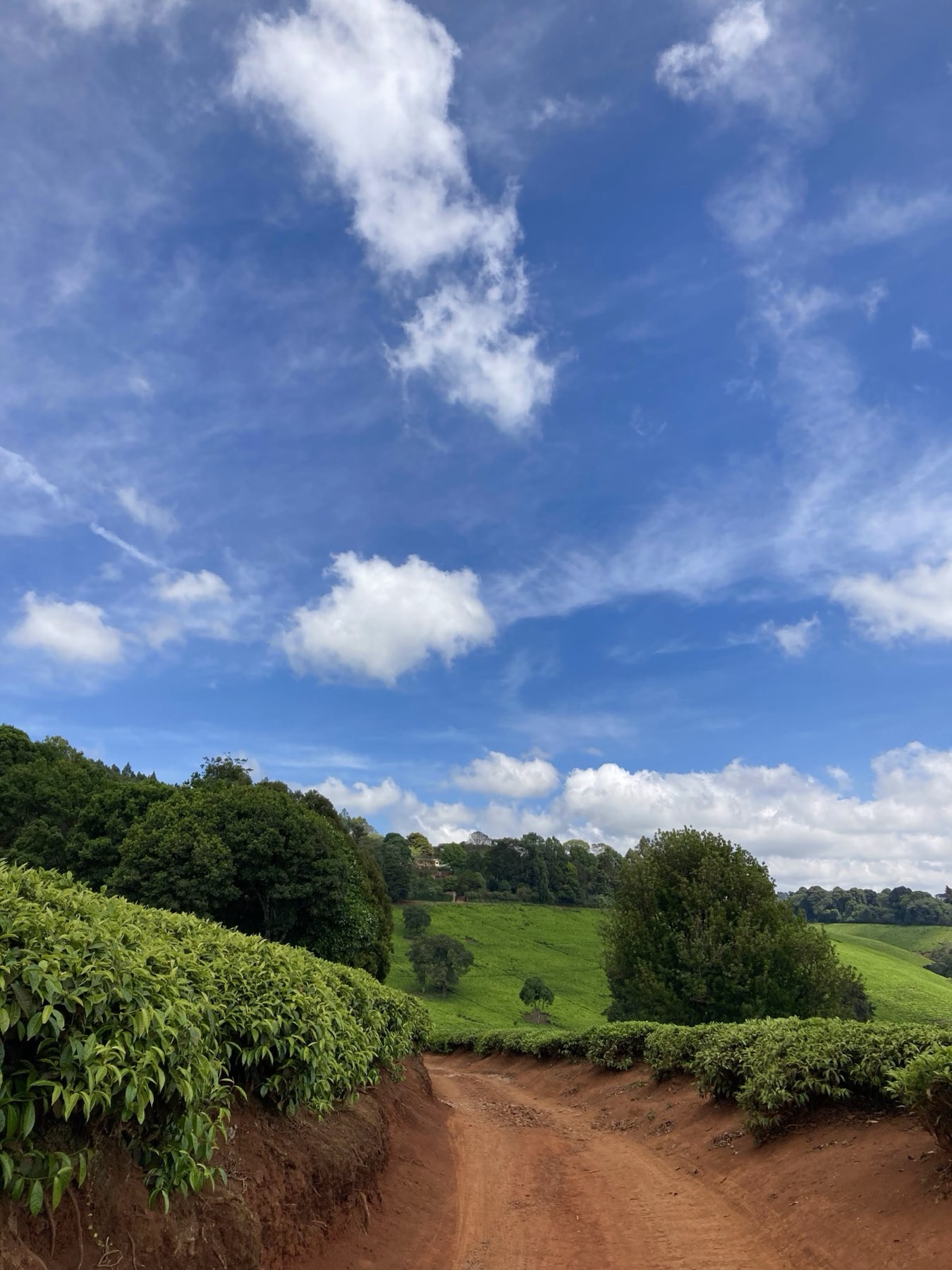
The farm roads and paths around Tigoni are ideal for walking and cycling. Guided e-bike rides and hikes are the easiest way to explore them.
Getting there
Limuru is about 30 km north-west of Nairobi via Limuru Road or the Nairobi–Nakuru highway. Matatus run regularly from central Nairobi to Limuru town.