Journal · Published
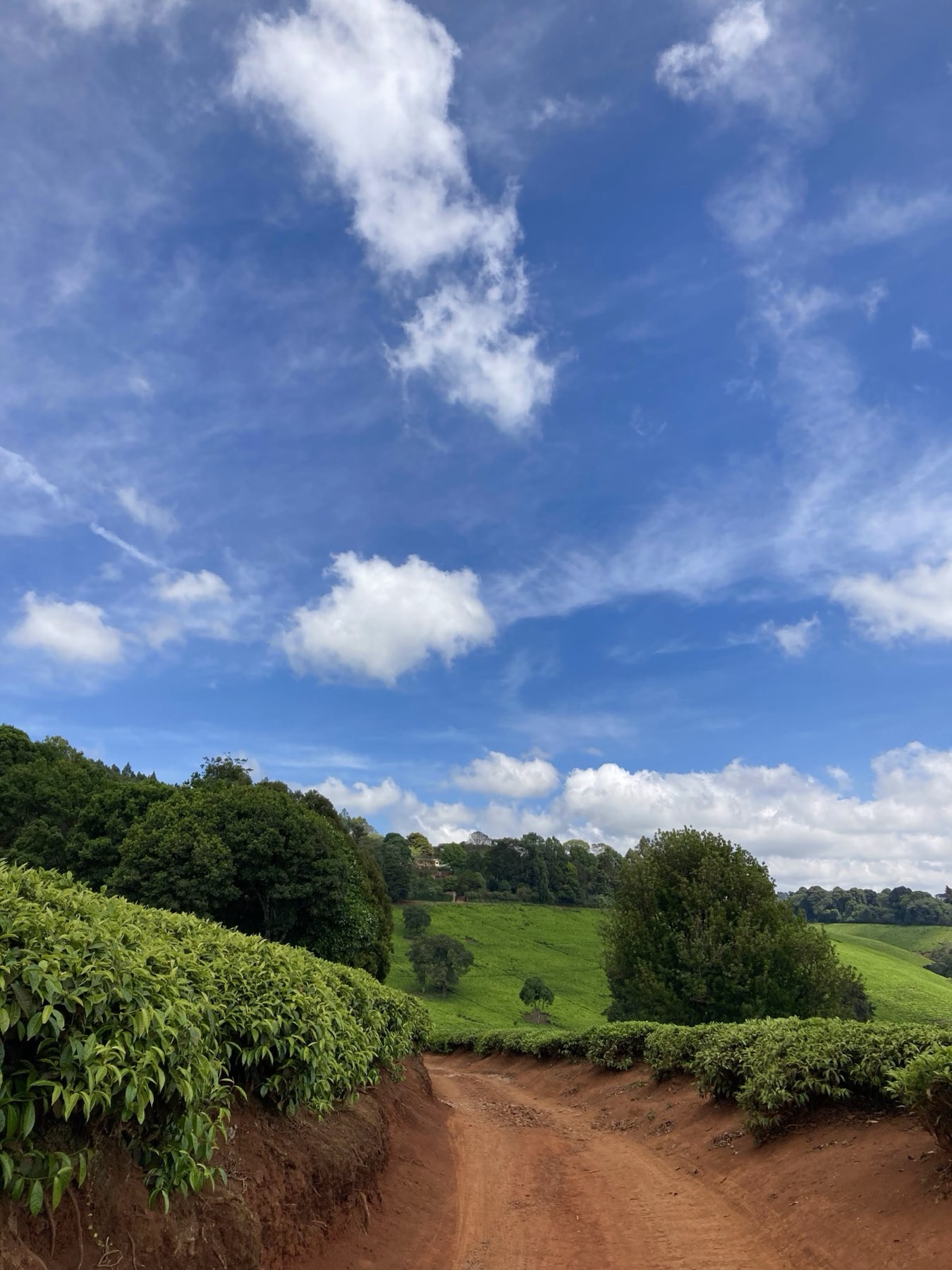
Tigoni's farm roads are a joy to ride, but they are rarely flat. Should you explore them on a regular bicycle or an electric one? Both have their place. Here is how they compare for a day of riding in hilly countryside.
Effort
On a regular bike, every climb is down to your legs, and at over 2,000 metres the air is thinner than in Nairobi. That is a great workout for fit cyclists, but tiring for occasional riders. On an e-bike, the motor adds as much help as you choose, so climbs feel manageable and you arrive at the top with energy to spare.

Distance
In the same time, most people ride noticeably further on an e-bike, which means more of the countryside in a two-hour ride.
Riding as a group
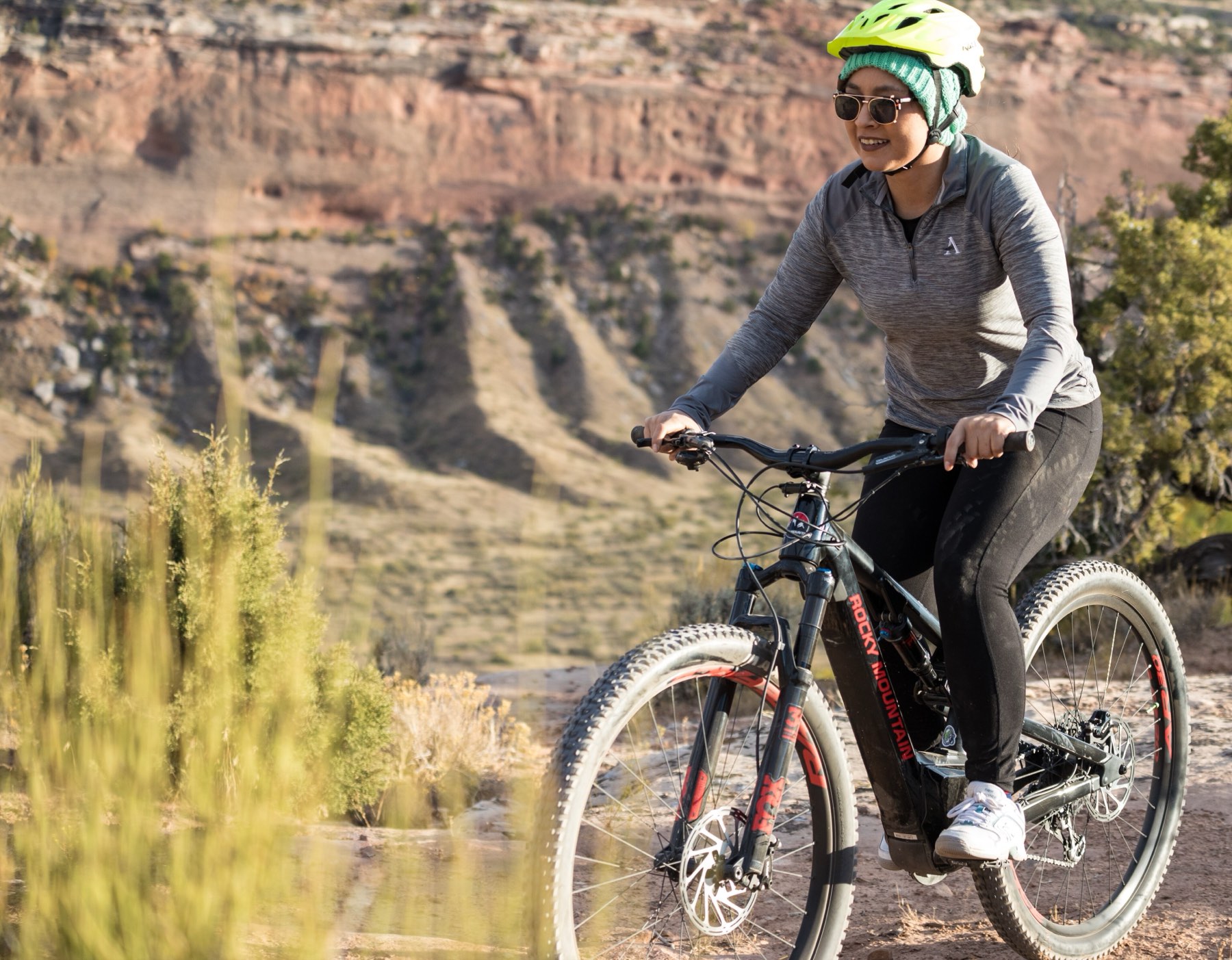
On regular bikes, groups spread out as the fitter riders pull ahead. E-bikes even things out: each rider can turn up the assistance as needed, so friends, couples and families with different fitness levels can ride together.
Is it still exercise?
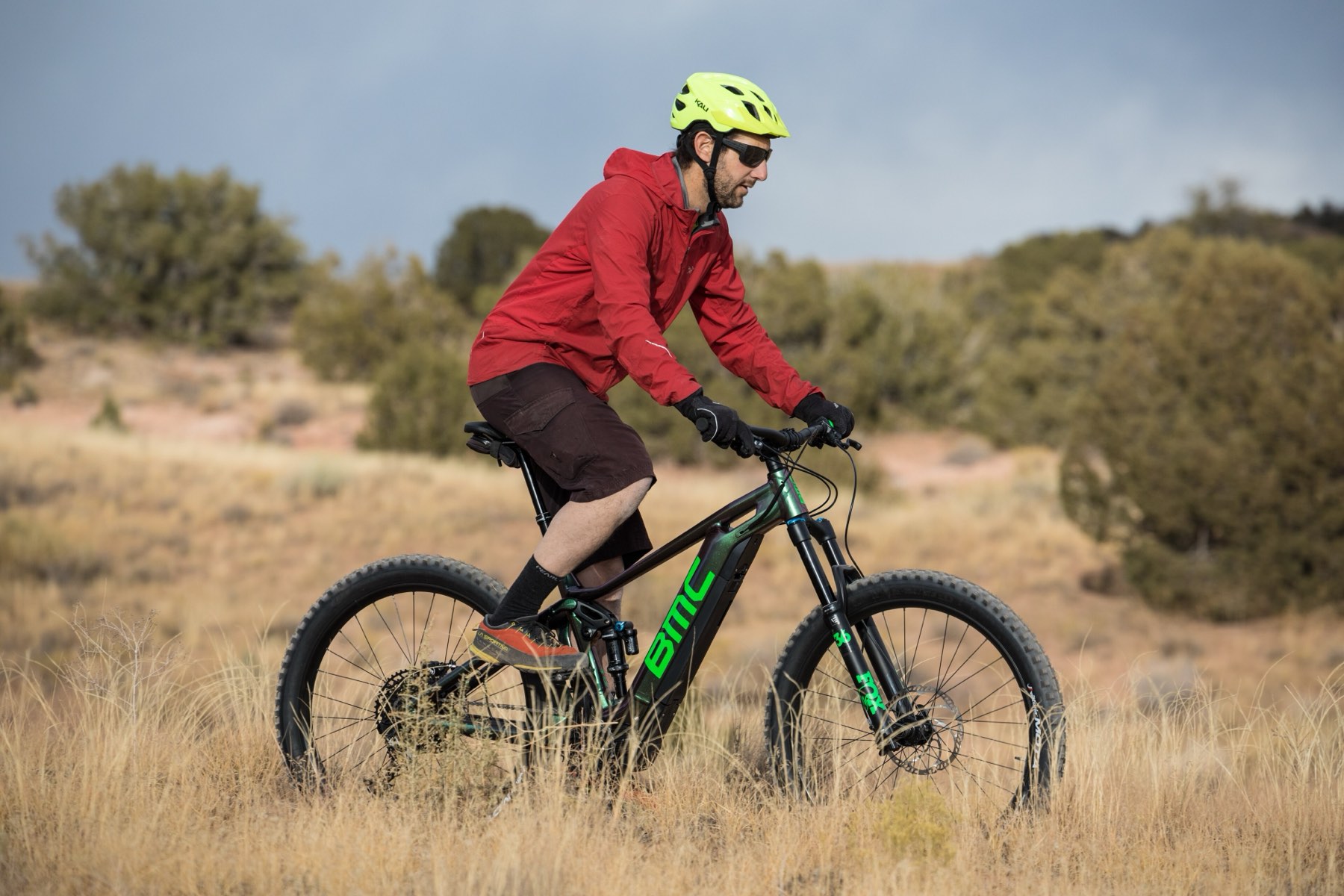
Yes. You still pedal the whole time, and many people end up riding for longer on an e-bike than they would on a regular bike. You simply choose how hard to work.
Weight and handling
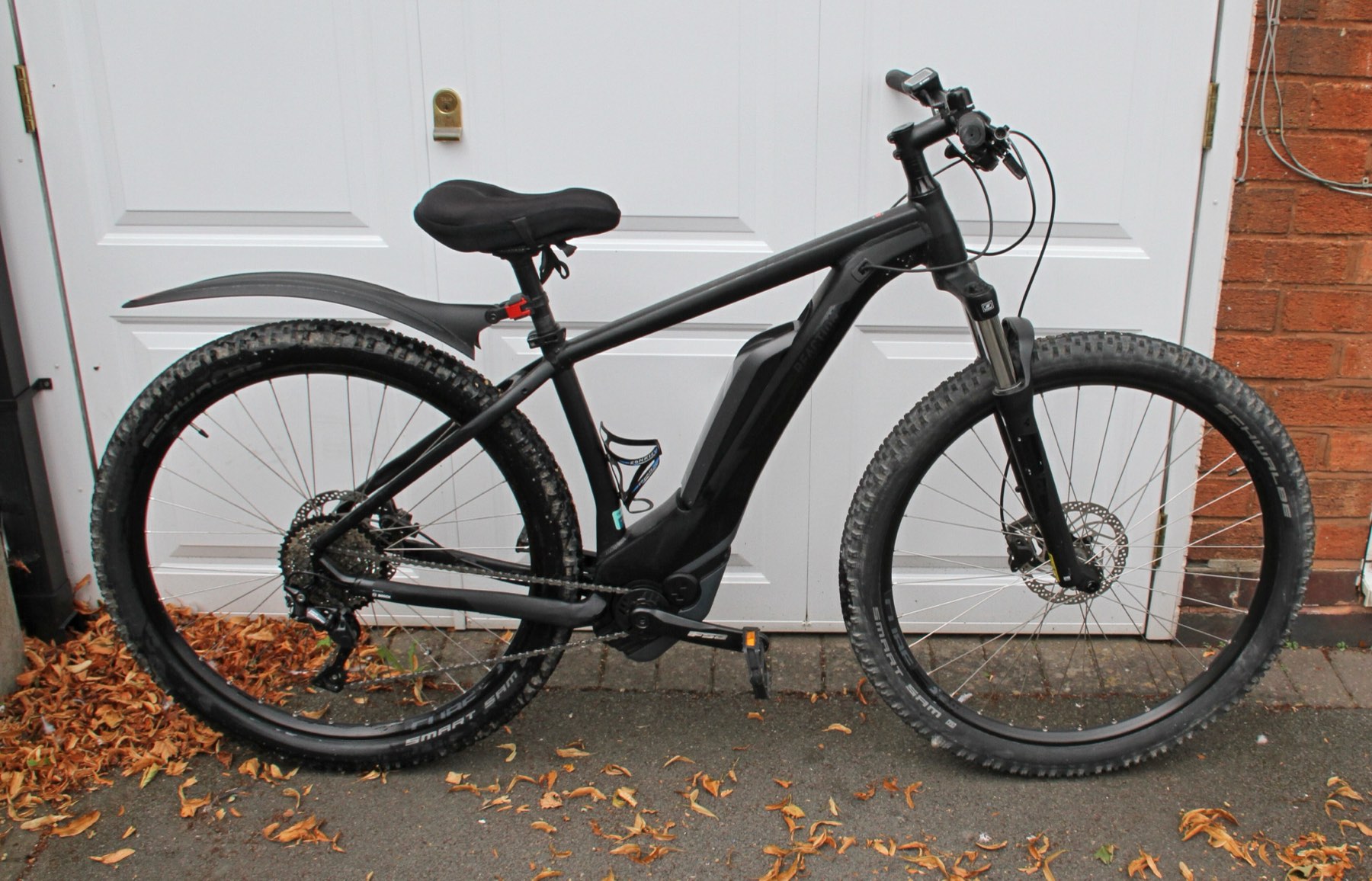
E-bikes are heavier because of the battery and motor. That makes them very stable on rough farm roads, but they take a little longer to stop on descents, so brake early.
Which to choose for Tigoni
If you are a regular cyclist who wants a hard workout, a regular bike will give you that. For almost everyone else, including mixed groups and first-timers, an e-bike is the more enjoyable way to see Tigoni's tea country. Our guided tours use e-bikes for exactly that reason.